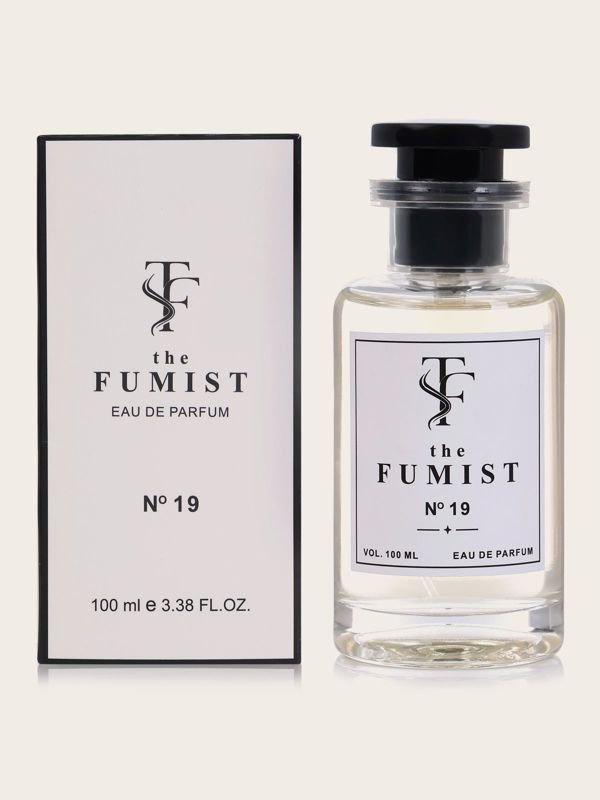
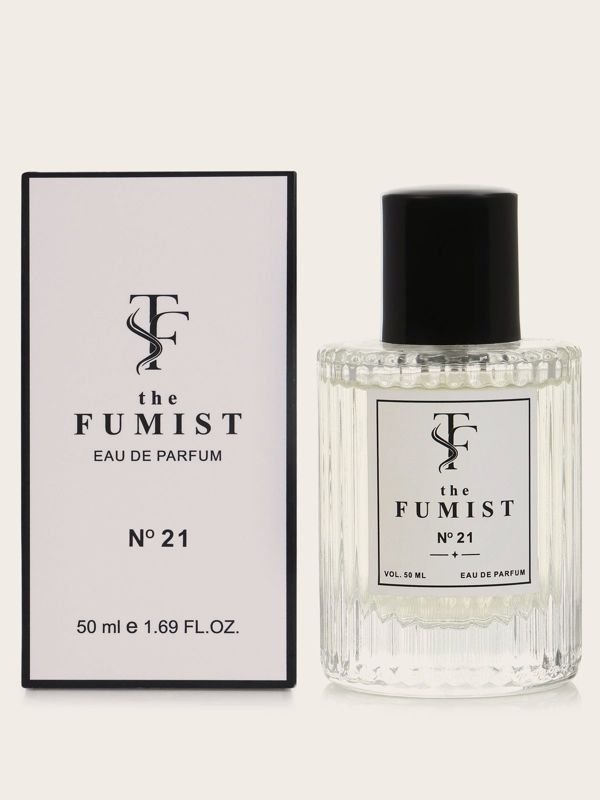
They differ in how much fragrance they hold and what carries it. Eau de Parfum usually has about 15–20% fragrance in alcohol, Eau de Toilette about 5–15%. An attar is fragrance in oil — traditionally sandalwood oil — with no alcohol. Deodorants and body mists are lighter products made for the body. The percentages are not fixed by law, so one maker’s EDT can be stronger than another’s EDP.
The words on the label
| Name | Typical fragrance content | How it wears |
|---|---|---|
| Parfum / Extrait | About 15–30% | The richest; close to the skin |
| Eau de Parfum (EDP) | About 15–20% | Full and lasting; the everyday “perfume” |
| Eau de Toilette (EDT) | About 5–15% | Lighter, brighter, fades sooner |
| Eau de Cologne | About 2–3% | A fresh splash |
| Body mist | Low | A light veil; re-applied often |
The rest of a spray perfume is mostly alcohol and a little water, which carry the scent off the skin and into the air. These ranges are conventions: different houses use different strengths, so the label tells you the style, not an exact amount.
Attar: India’s own perfume
Attar is fragrance carried in oil instead of alcohol. In Kannauj, India’s perfume town, it is still made the old way, called deg-bhapka: flowers, herbs or earth are distilled in copper pots, and the fragrant vapour passes through a bamboo pipe into a receiver of sandalwood oil, which holds the scent. “Kannauj Perfume” has been a registered Geographical Indication since 2014.
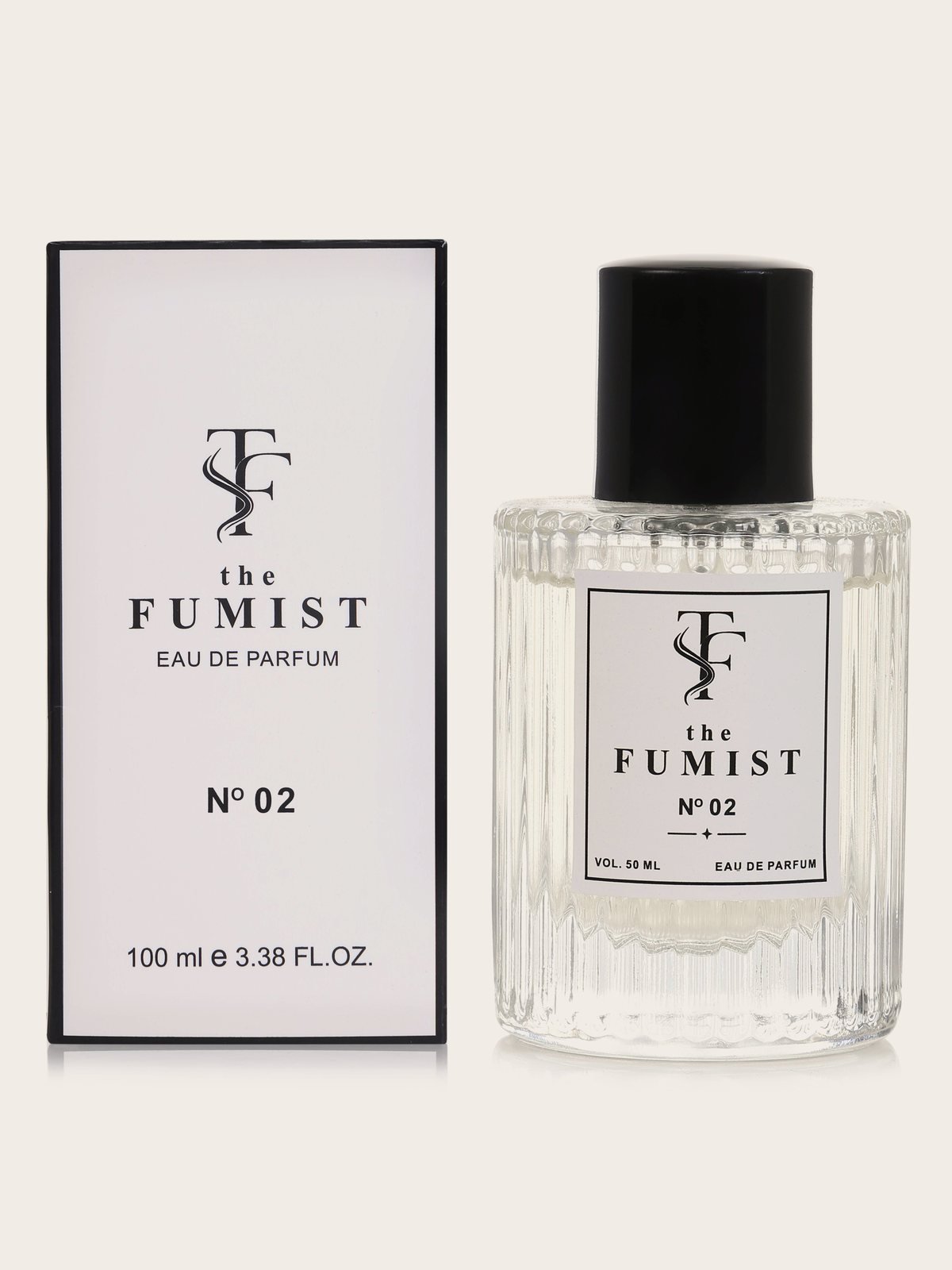
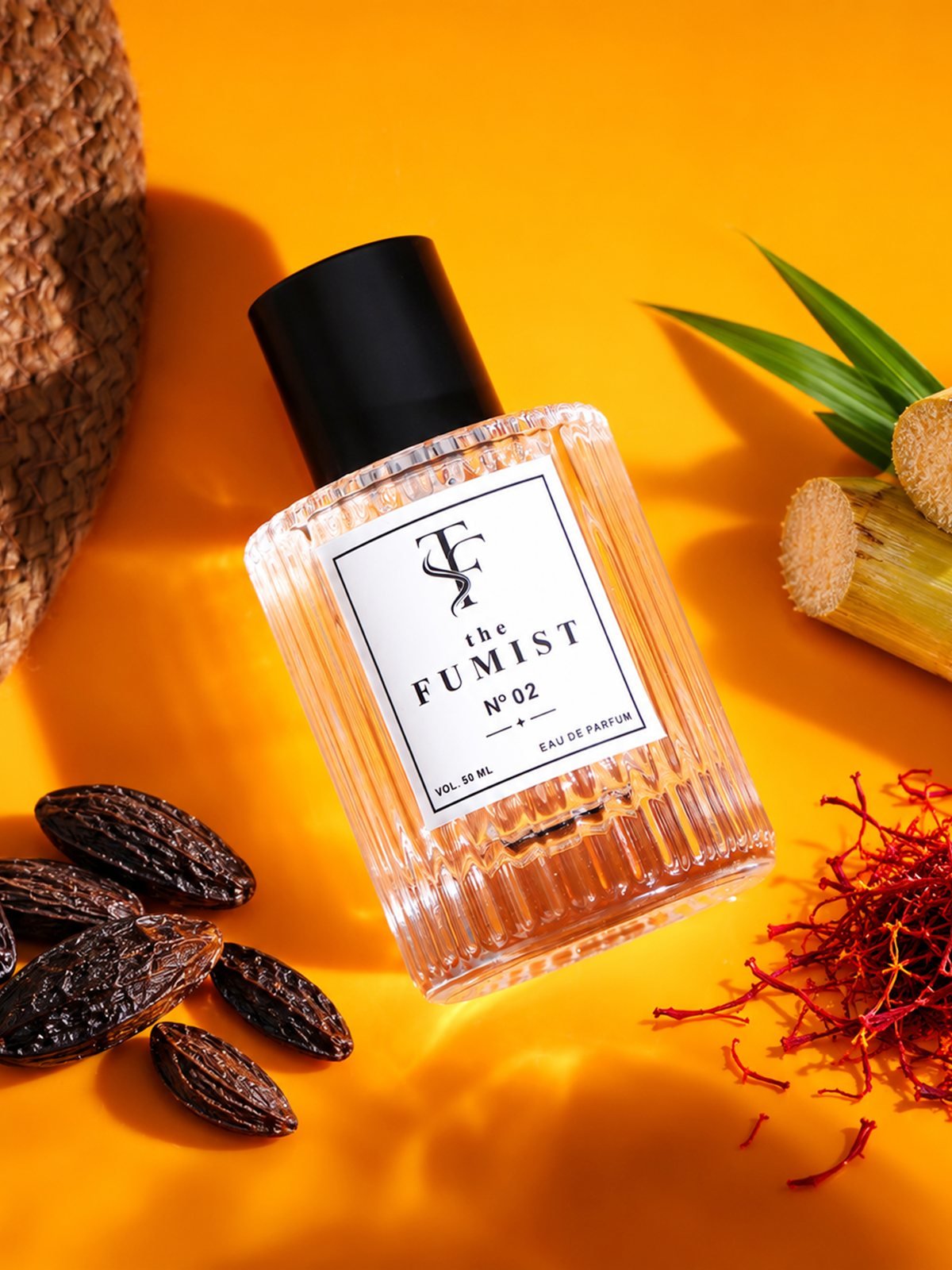
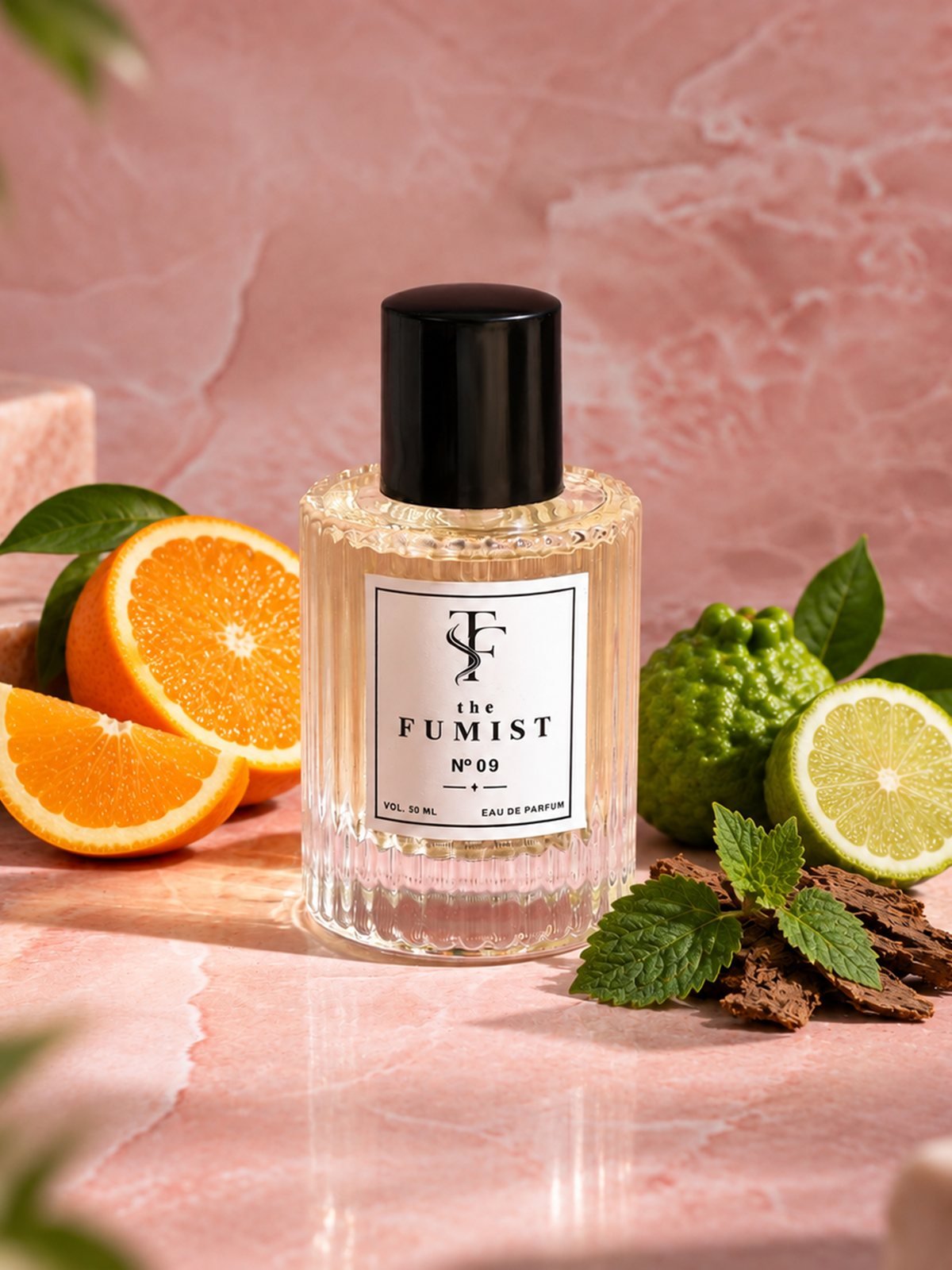
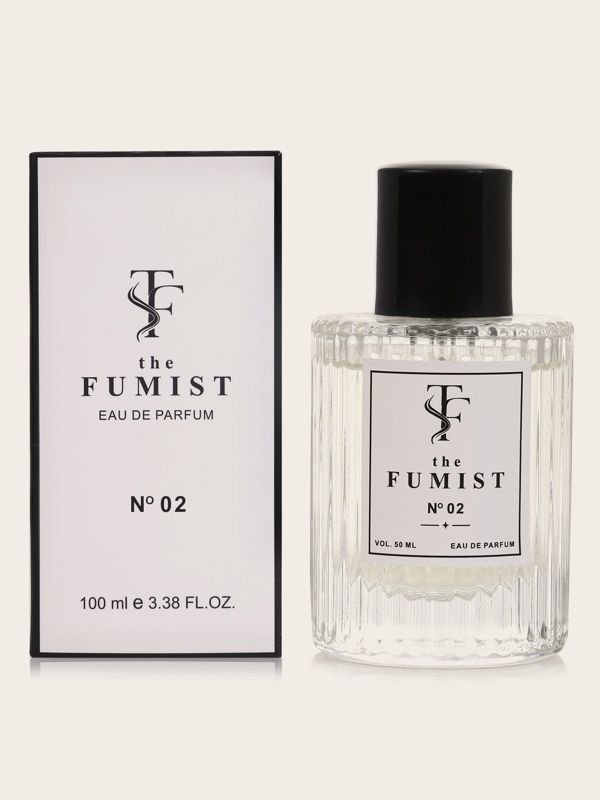
Because oil doesn’t evaporate like alcohol, attar is dabbed on, not sprayed, and stays close to the skin, for the wearer and those near them. An alcohol perfume rises off the skin and fills more of the space around you. Neither is better; they are different experiences. If you love attar’s rose, sandalwood or oud, look for those notes in the heart and base of a perfume — N° 02, for example, pairs saffron and Bulgarian rose with amber and oud.
Deodorant is not perfume
A deodorant is made to deal with body odour; a perfume adds a scent and does nothing about odour. They work best together: deodorant first, on clean skin, and perfume on the pulse points once it has dried. Body mists sit in between: pleasant, light and short-lived, closer to a refresher than a perfume.
Which to reach for
- Office and daytime: an EDT, or an EDP sprayed lightly.
- Evenings, weddings, festive nights: an EDP or parfum.
- Close, personal, prayer or quiet moments: an attar.
- Gym and a quick refresh: deodorant, or a body mist.
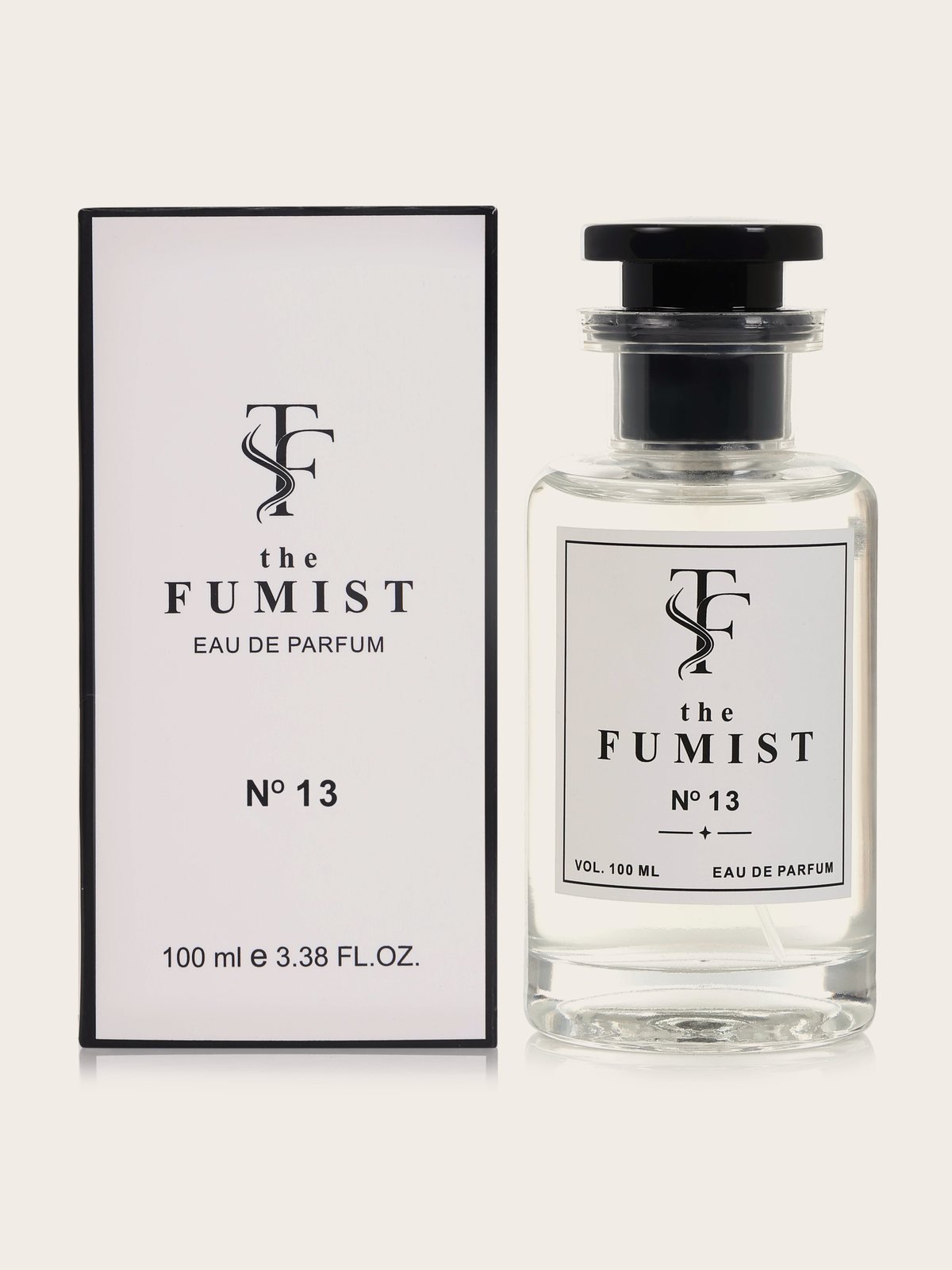
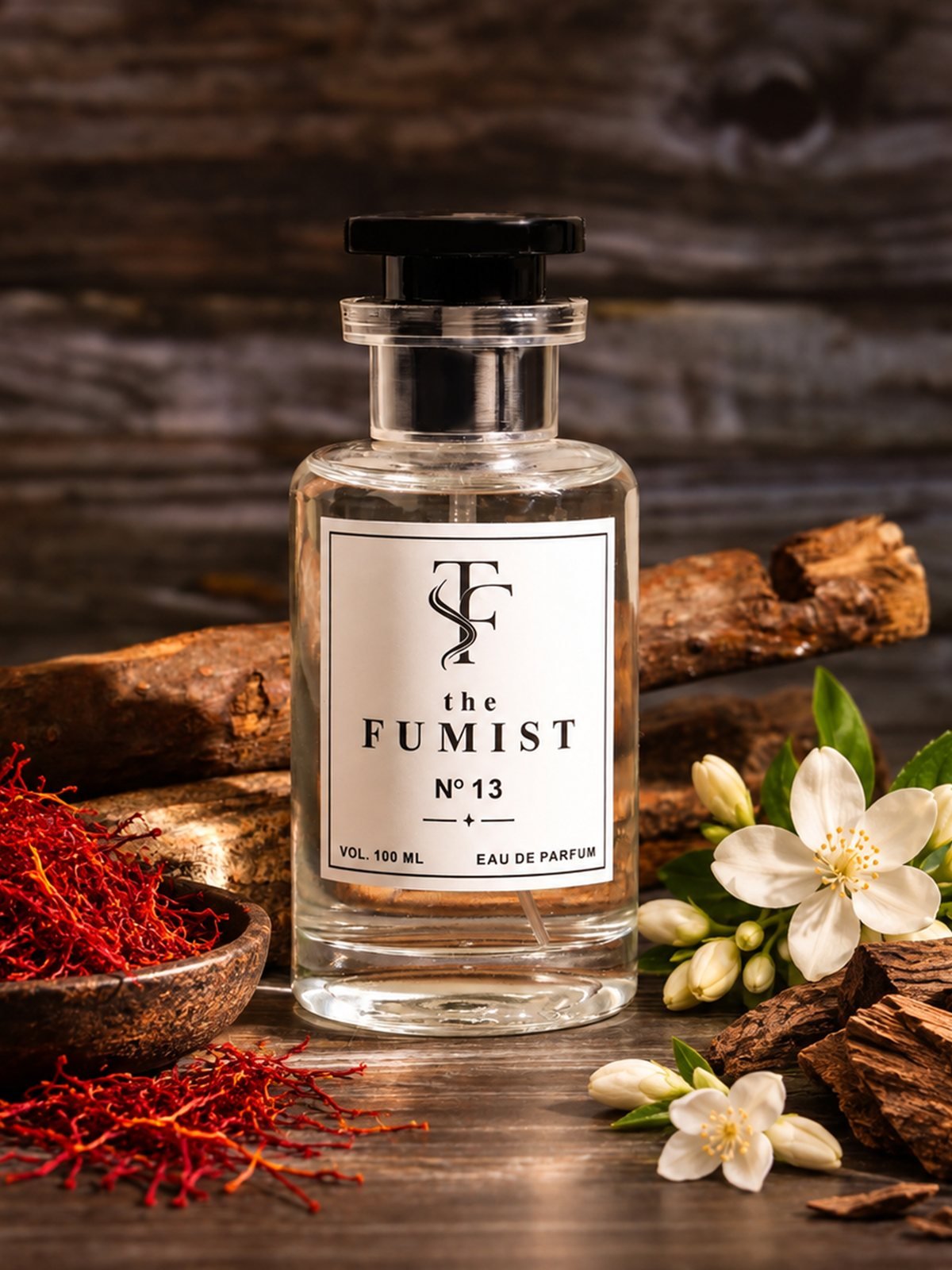
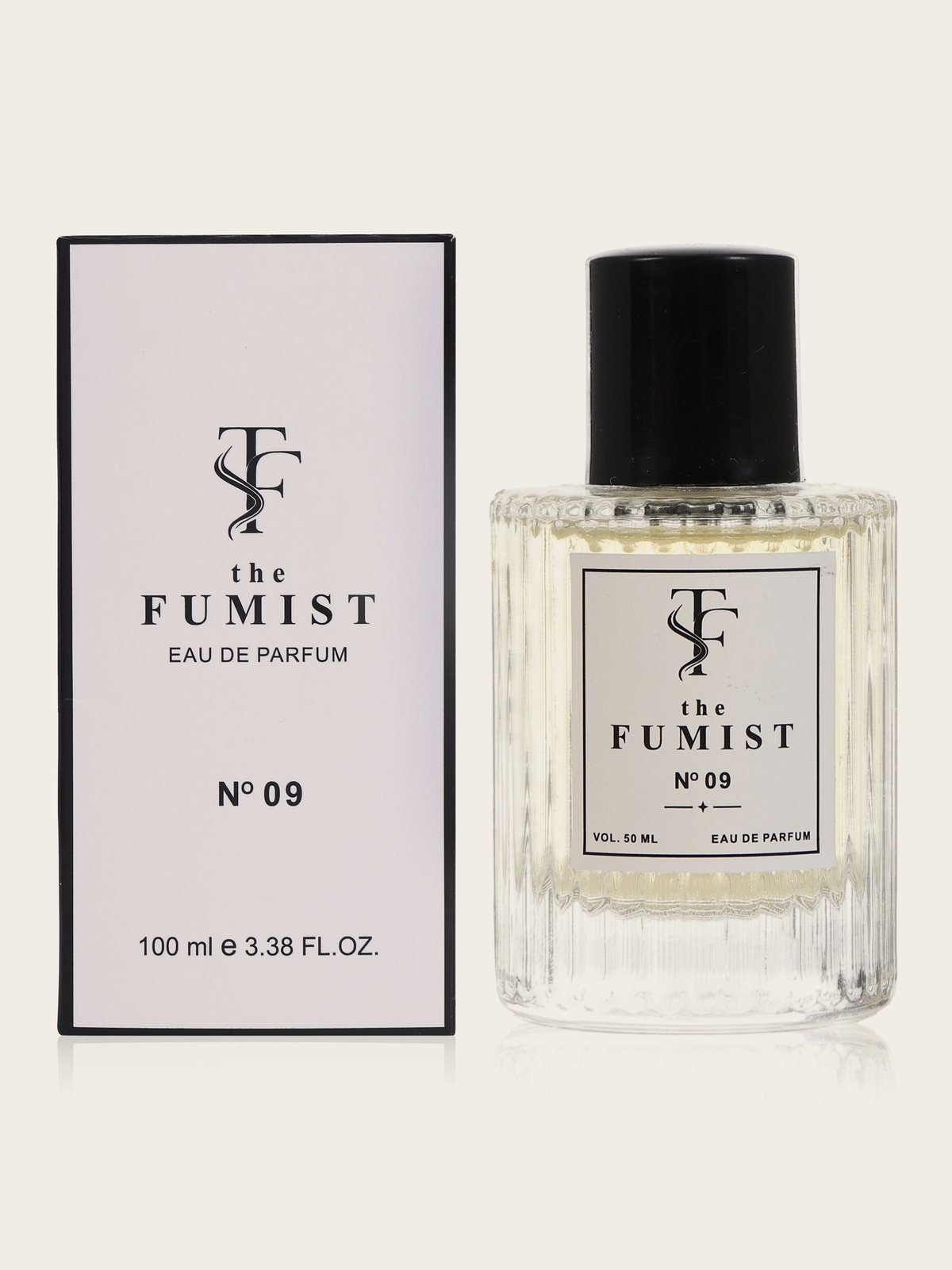
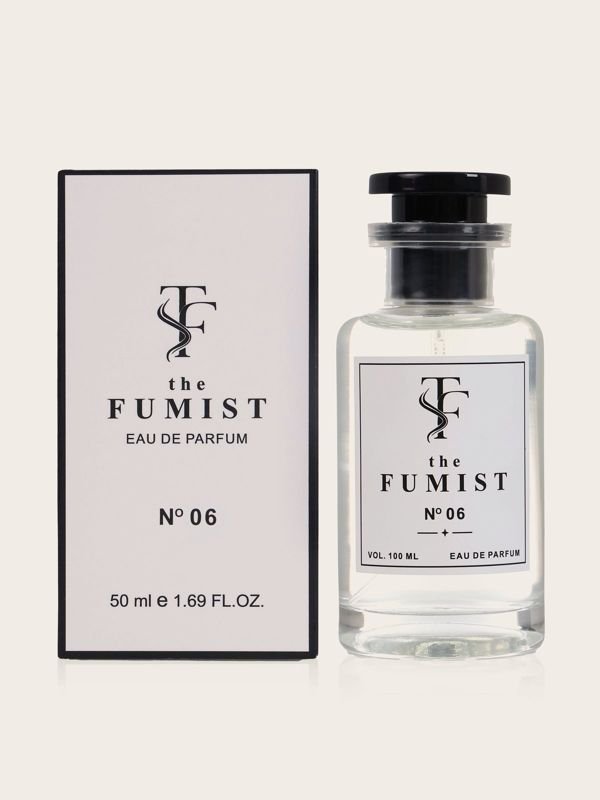
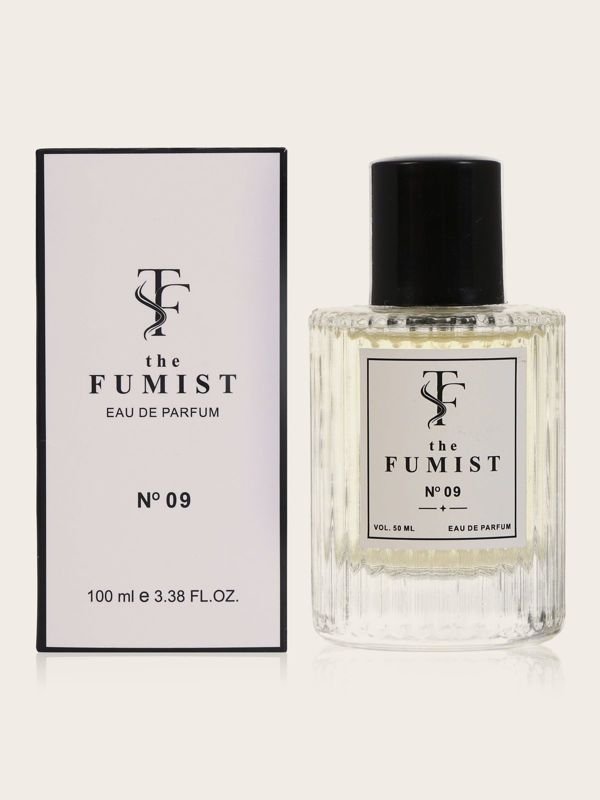
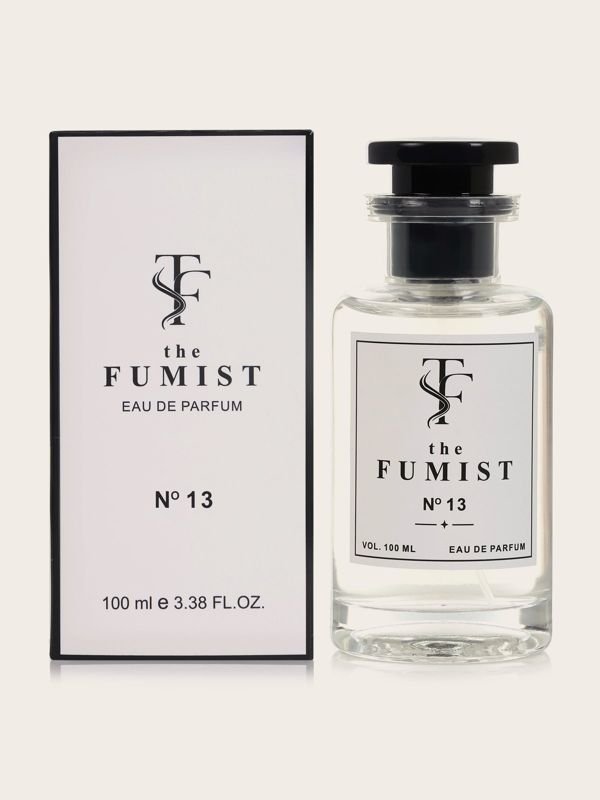
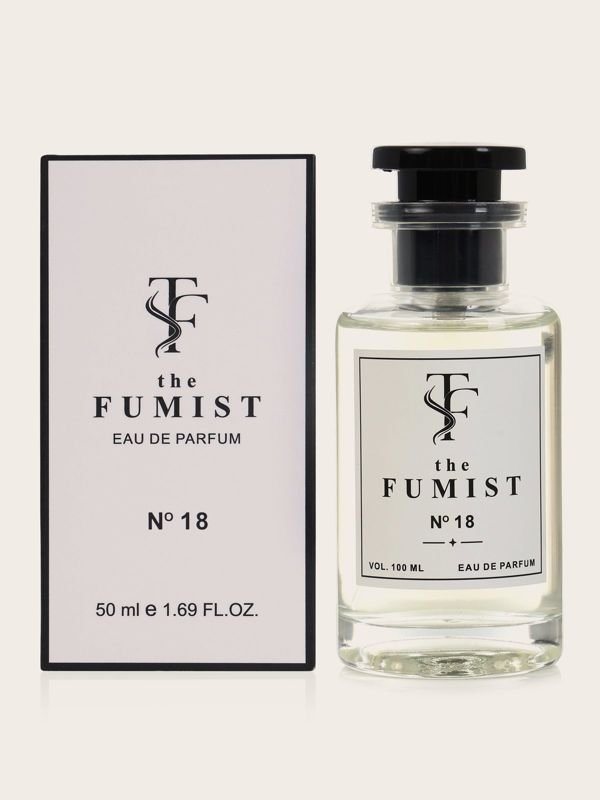
Every Fumist fragrance is an Eau de Parfum. For daytime, one or two sprays are enough.
Sources
- Perfume: concentration ranges and why they vary — Wikipedia
- Kannauj Perfume (deg-bhapka, Geographical Indication) — Wikipedia
- Kannauj: Perfume Capital of India — Live History India
We make perfume; we are not doctors. If a fragrance ever irritates your skin, stop using it and ask a dermatologist.