Choose by scent family first, then by notes. Start from a perfume — or simply a smell — you already love, find its family (fresh, floral, amber or woody), and look for that family and those notes in the listing. Judge mostly by the heart and base notes: the top notes are gone within minutes, the base is what you live with all day.
Start with the four families
Almost every perfume belongs to one of four broad families. The best-known map of them is the Fragrance Wheel, drawn up in 1992 by the fragrance writer Michael Edwards; its families today are Fresh, Floral, Amber and Woody.
- Fresh — citrus, green leaves, herbs, the sea. Bright and clean.
- Floral — rose, jasmine, tuberose, orange blossom. From soft and airy to rich and heady.
- Amber (once called “oriental”) — resins, vanilla, spice. Warm and glowing.
- Woody — cedar, sandalwood, vetiver, oud. Dry, calm and steady.
Most perfumes sit between two families, which is why a name like “Floral Amber” or “Aromatic Woody” is the most useful thing on a listing: it tells you the family and the twist. If you already know you love warm, spicy scents and dislike sharp citrus, you have ruled out half the shelf before smelling anything.
Read the pyramid — and trust the base
Listings describe a perfume in three layers:
- Top notes — the first impression. Light, fast-evaporating materials such as citrus and fruit; they fade within minutes.
- Heart notes — the character, once the top has gone. Usually flowers, spices or herbs.
- Base notes — the dry-down: woods, resins, musk, vanilla. Heavier materials that stay longest on skin.
Many people buy on the top notes — the part that is over before you leave the house. Read the heart and base first. A perfume that opens with bergamot but rests on vanilla and tonka will feel sweet and warm for most of the day, not citrusy.
Use the smells you already know
You don’t need perfume vocabulary to know what you like. Start from everyday smells:
| If you love the smell of… | Look for these notes |
|---|---|
| A mogra gajra, a garden at night | Jasmine sambac (that is mogra), tuberose — white florals |
| Fresh nimbu, a cool shower | Bergamot, mandarin, citrus — fresh top notes |
| Rain on dry earth | Vetiver, patchouli — earthy woods |
| Filter coffee, chocolate, desserts | Coffee, cacao, vanilla, tonka bean — “gourmand” notes |
| A temple, sandalwood paste, incense | Sandalwood, oud, amber, resins |
| Masala chai, a spice box | Saffron, ginger, pink pepper — spicy notes |
| Roses, a florist’s shop | Rose, peony, geranium |
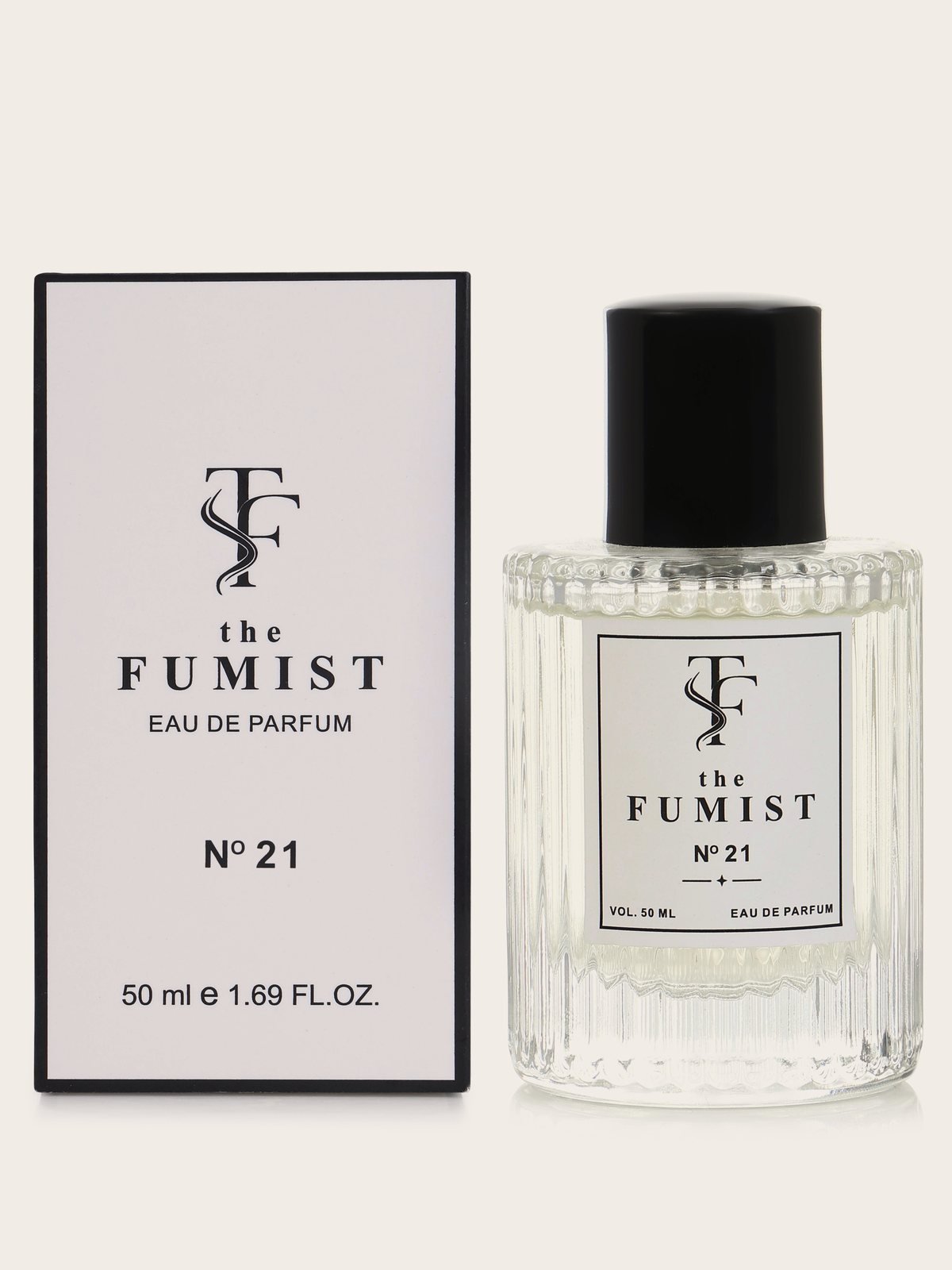
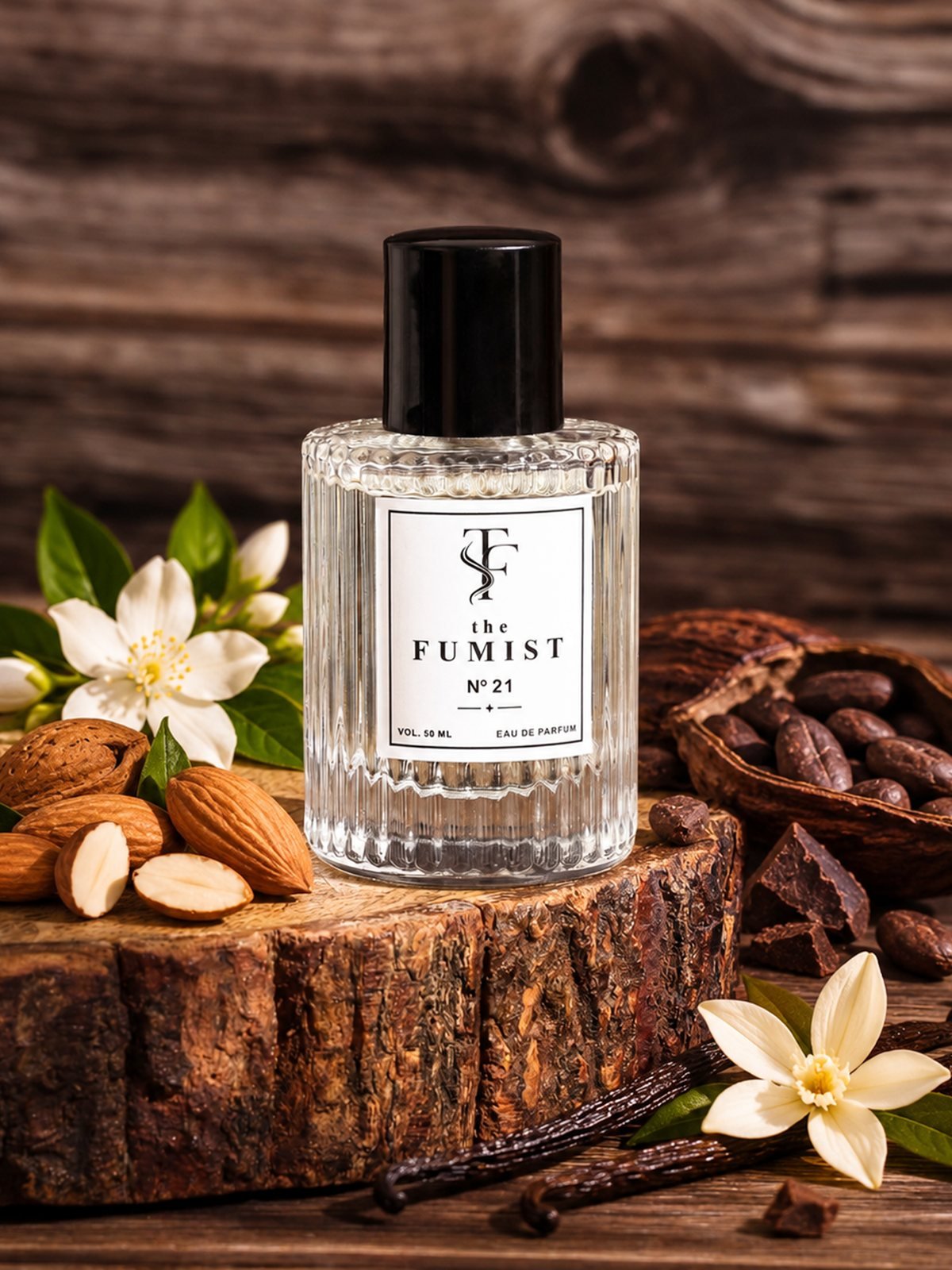
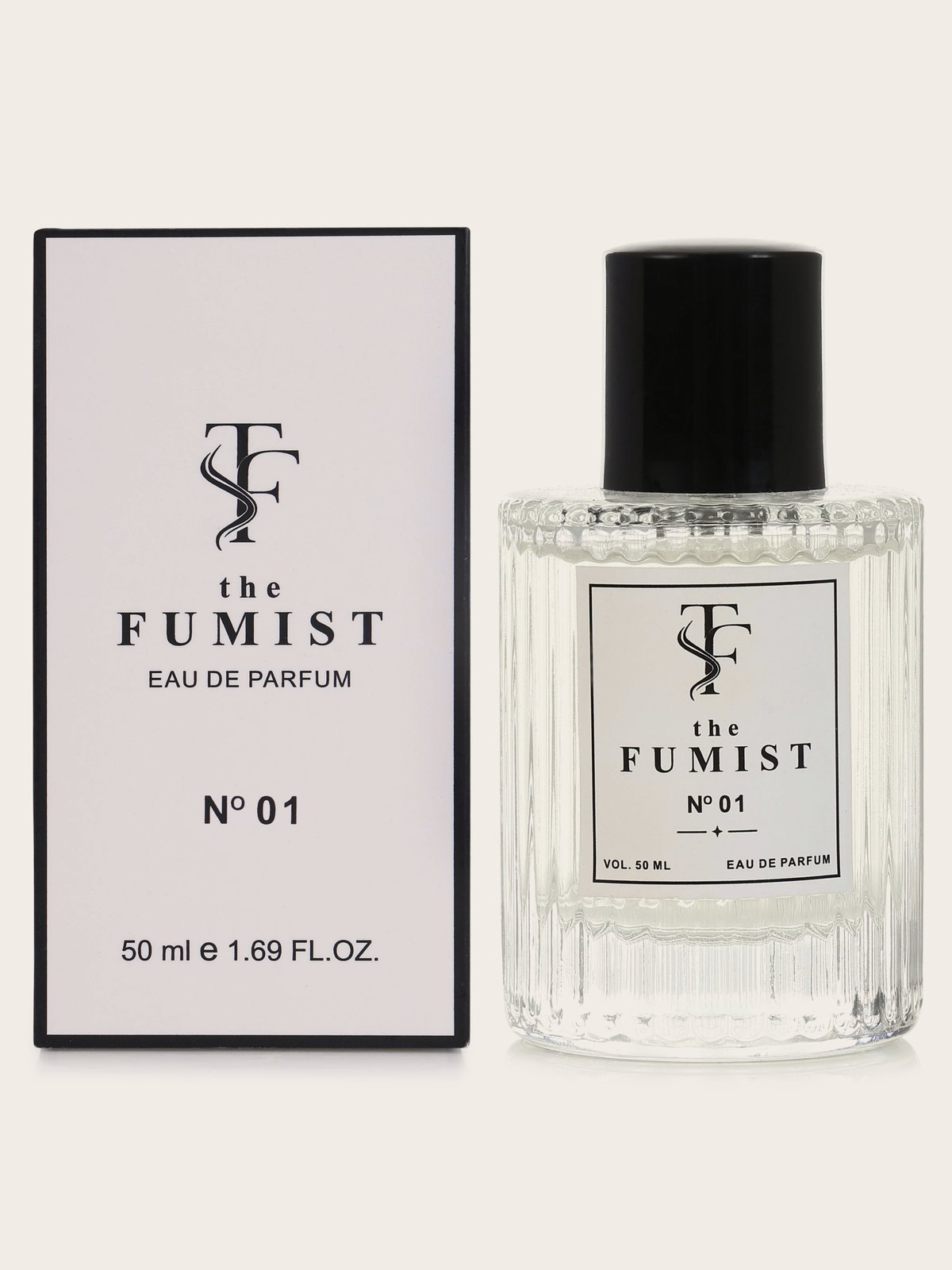
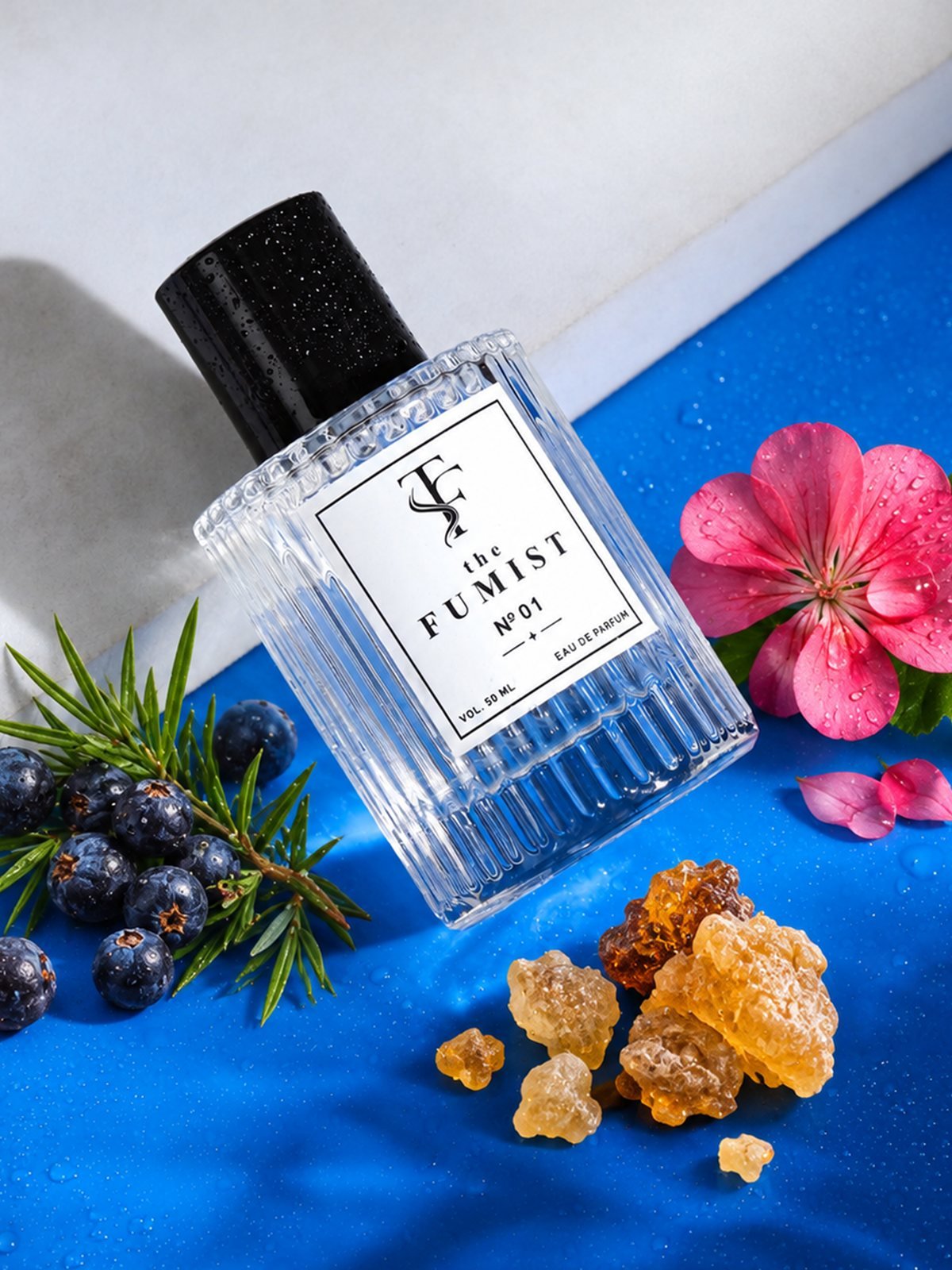
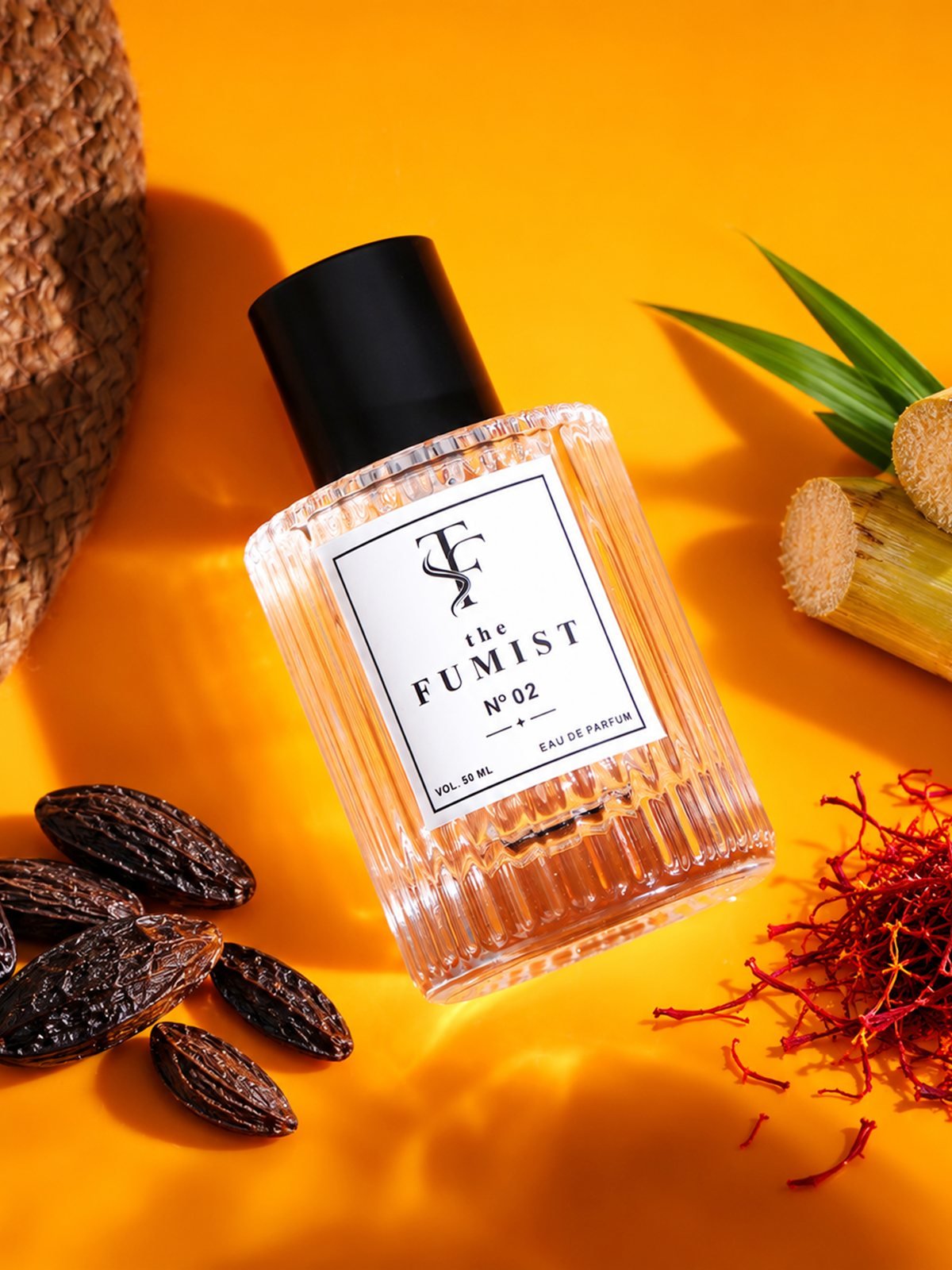
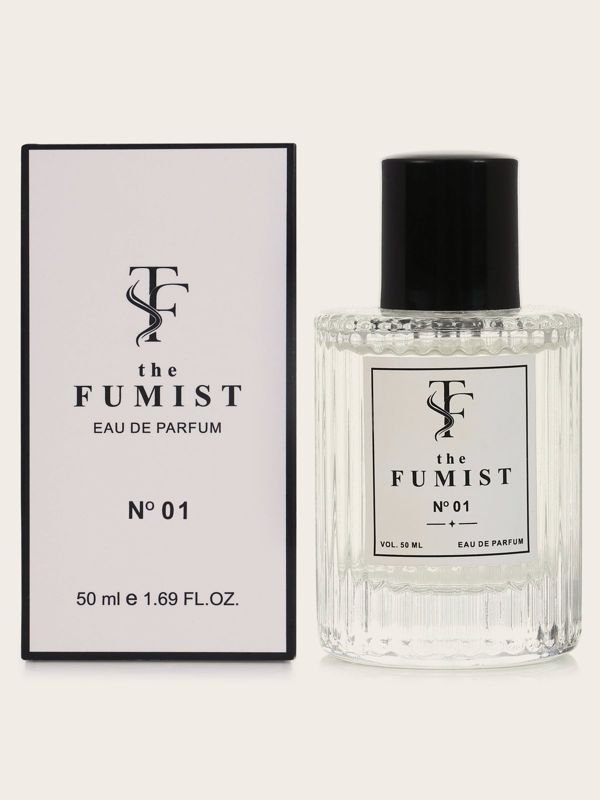
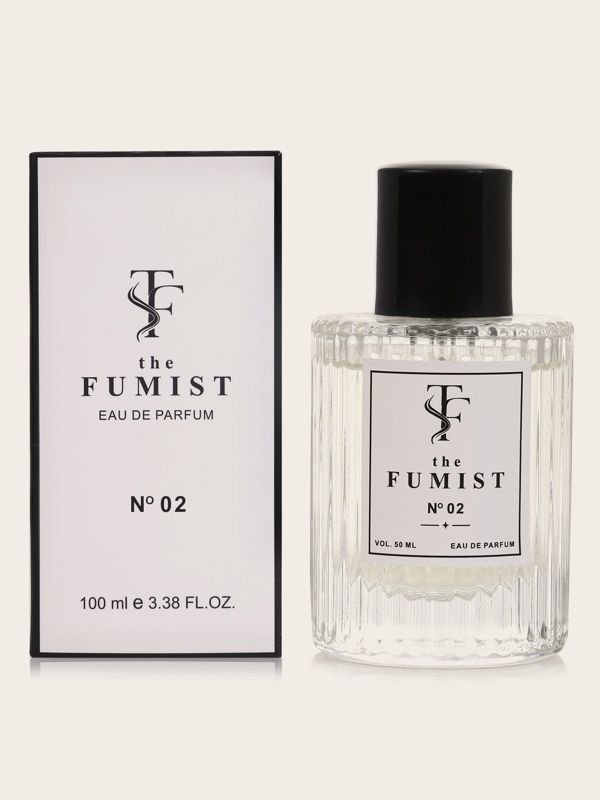
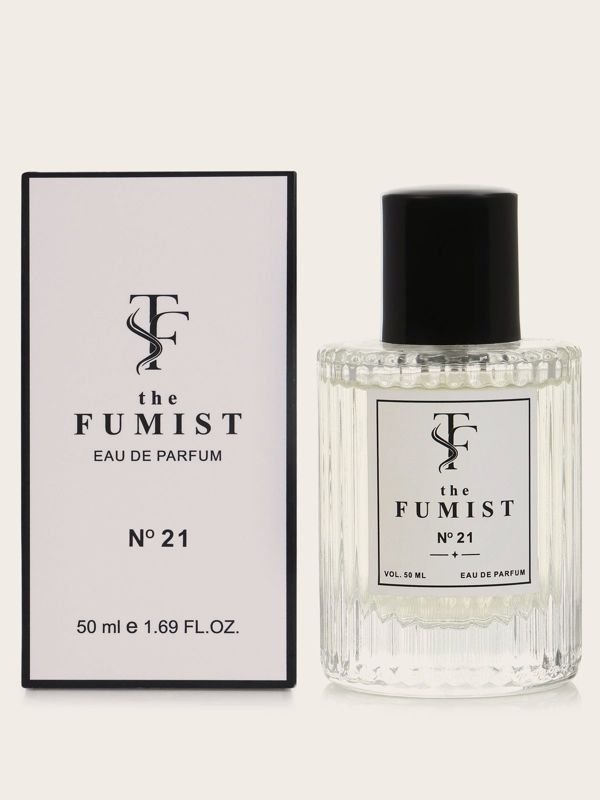
Then look for those notes in the heart and base. In our collection, for example, N° 21 pairs jasmine sambac and tuberose with coffee and cacao; N° 01 rests on vetiver and cedar; N° 02 opens with saffron over a base of amber and oud.
Words that tell you less than they seem
Mood words — seductive, powerful, elegant — are the maker’s description of the feeling, not of the smell. Useful, but the notes are the facts.
Concentration — Eau de Parfum is usually stronger than Eau de Toilette, but the ranges are not fixed by law, so one house’s EDT can be stronger than another’s EDP. See EDP, EDT, attar and deo compared.
Hours of wear — any fixed figure is a guess: how long a perfume lasts depends on your skin, the weather and how much you spray. We don’t print one for ours for that reason.
Before you pay
- Buy from the maker or an authorised seller. Fragrance is among the most counterfeited categories online.
- Read the returns policy. Most perfumers, us included, can only take back a sealed, unopened bottle — so choose before you open.
- Start smaller. A 50 ml bottle is the sensible first buy; move to 100 ml once a scent is yours.
- Check the price per ml, which Indian listings must show, to compare sizes fairly.
When it arrives: give it a day
Spray once on the inside of your wrist — skin, not paper — and don’t rub. Smell it straight away, again after half an hour, and again in the afternoon: you are meeting the top, the heart and the base in turn. Don’t judge in the first minute, and don’t spray again because you “can’t smell it any more” — that is your nose adapting, not the perfume fading (see why you can’t smell your own perfume).
Sources
- Fragrance wheel (Michael Edwards, 1992; families Floral, Amber, Woody, Fresh) — Wikipedia
- Perfume: concentration ranges and why they vary between houses — Wikipedia
We make perfume; we are not doctors. If a fragrance ever irritates your skin, stop using it and ask a dermatologist.