Because your nose adapts. Within minutes of smelling the same scent, your brain turns it down so that it can notice new smells. The perfume is still on your skin, and the people around you can still smell it. So don’t re-spray just because you can’t smell it — step outside for a few minutes, or ask someone you trust.
Your nose stops reporting what doesn’t change
Our sense of smell is built to notice change — smoke, food, something new in the room — not to keep reporting what is always there. Smell a scent steadily and your sensitivity to it drops, often within minutes. Scientists call this olfactory adaptation; most people call it nose blindness.
It can last. In a well-known study, people who had a scent in their bedroom for two weeks became less sensitive to that particular smell, while their sensitivity to other smells stayed the same. That is why the perfume you wear every day can seem to “stop working” after a few months — you have simply grown used to it.
Signs it is your nose, not the perfume
- You smell it strongly for the first few minutes, then hardly at all.
- Others still notice it, or comment on it, hours later.
- You catch it again when you come back indoors, or on a scarf the next day.
How much to spray for the office
- One or two sprays at home, on the neck or wrists, before you leave. Not at your desk.
- Don’t top up just because you can’t smell it. If you want to, use one spray after lunch.
- Remember that some colleagues are sensitive to fragrance; in a closed office, lighter is kinder.
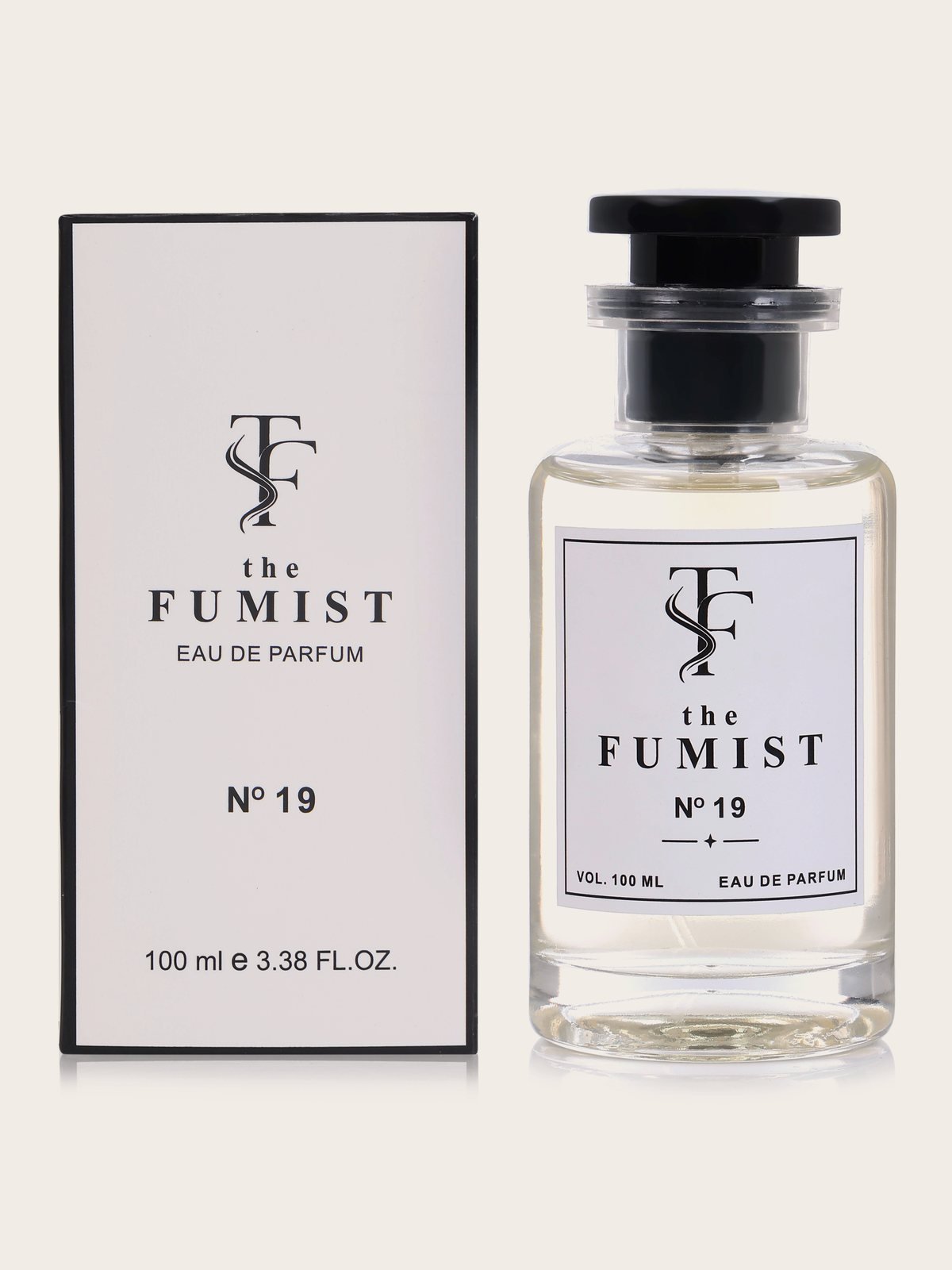
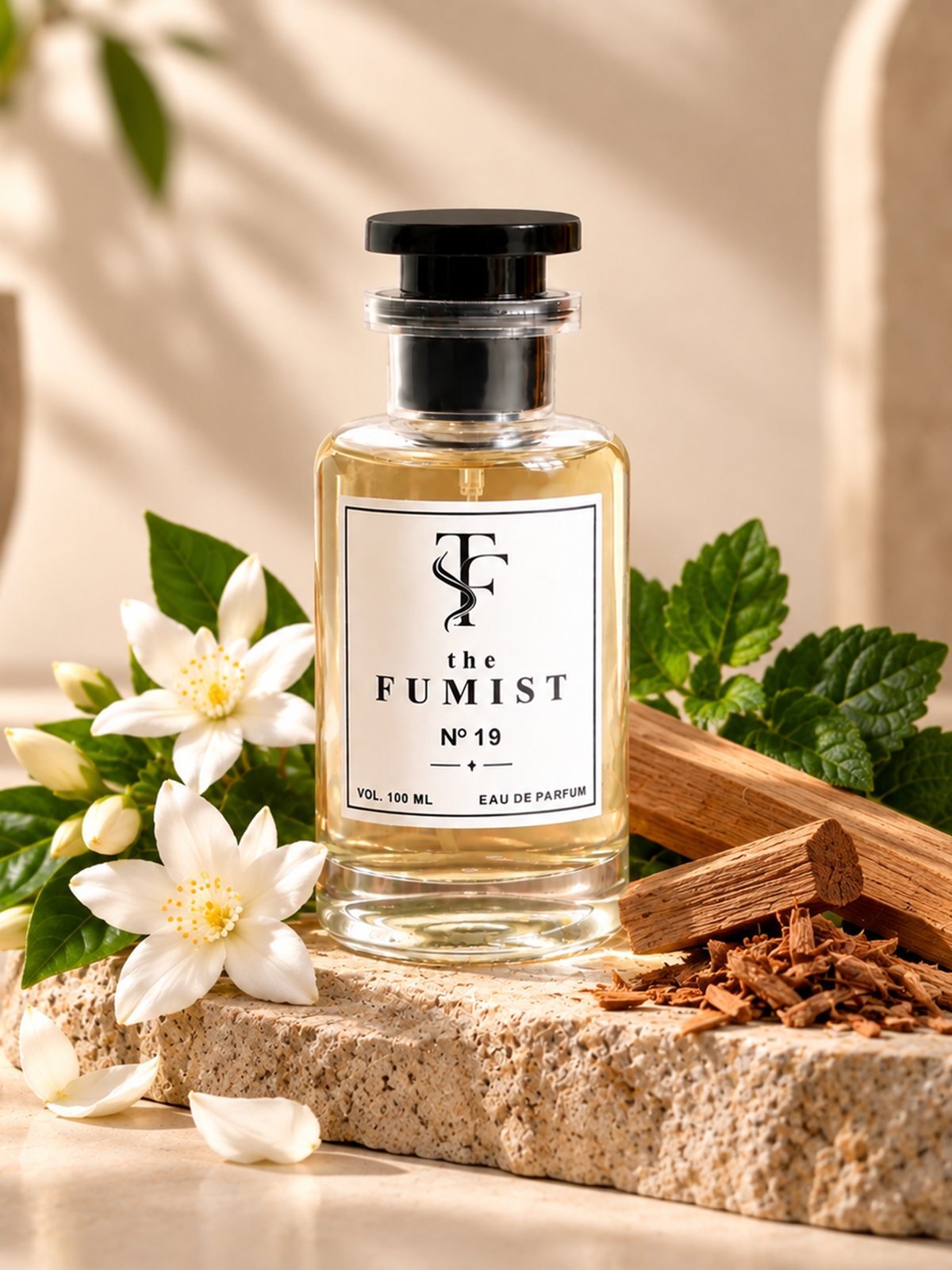
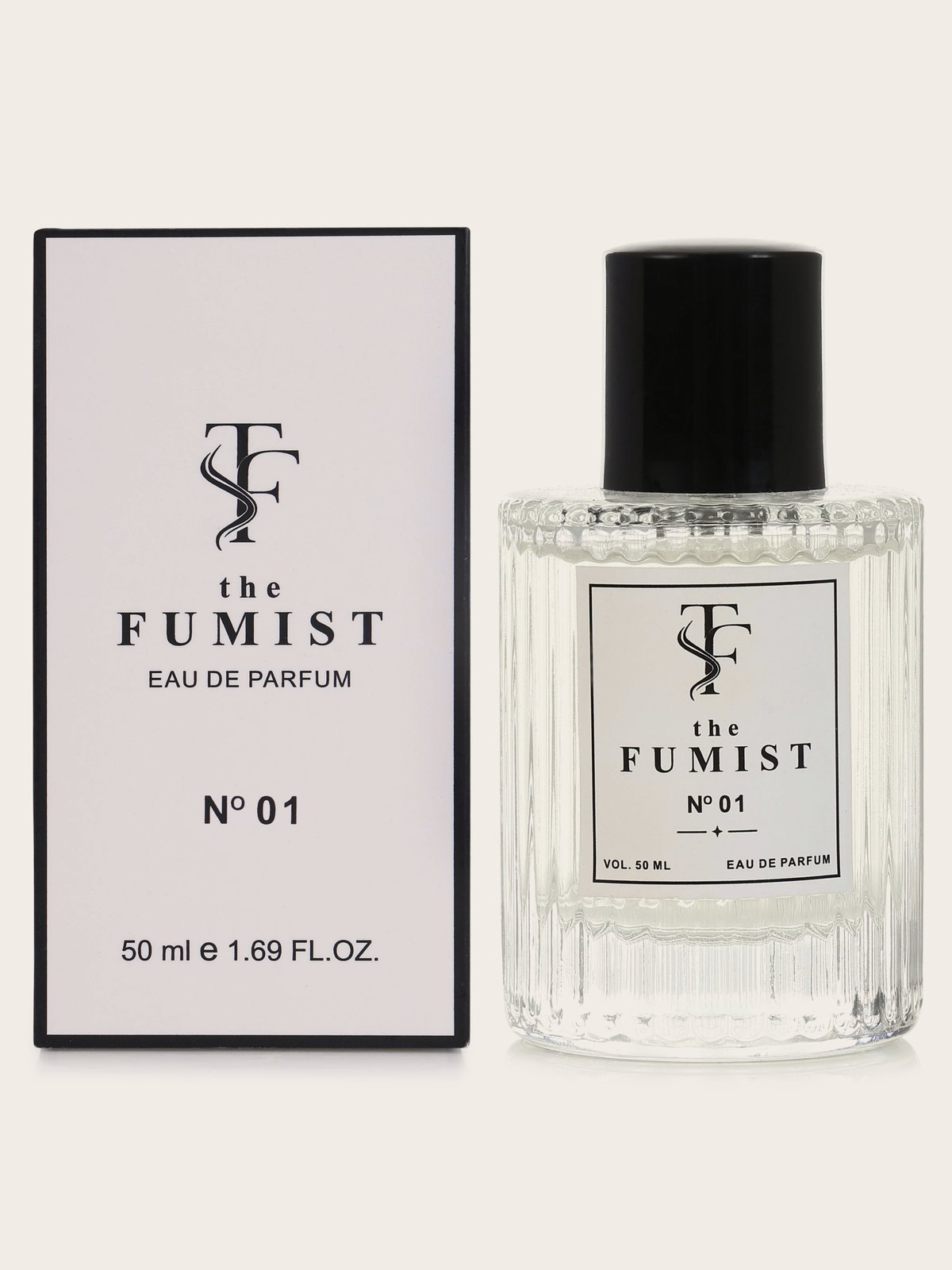
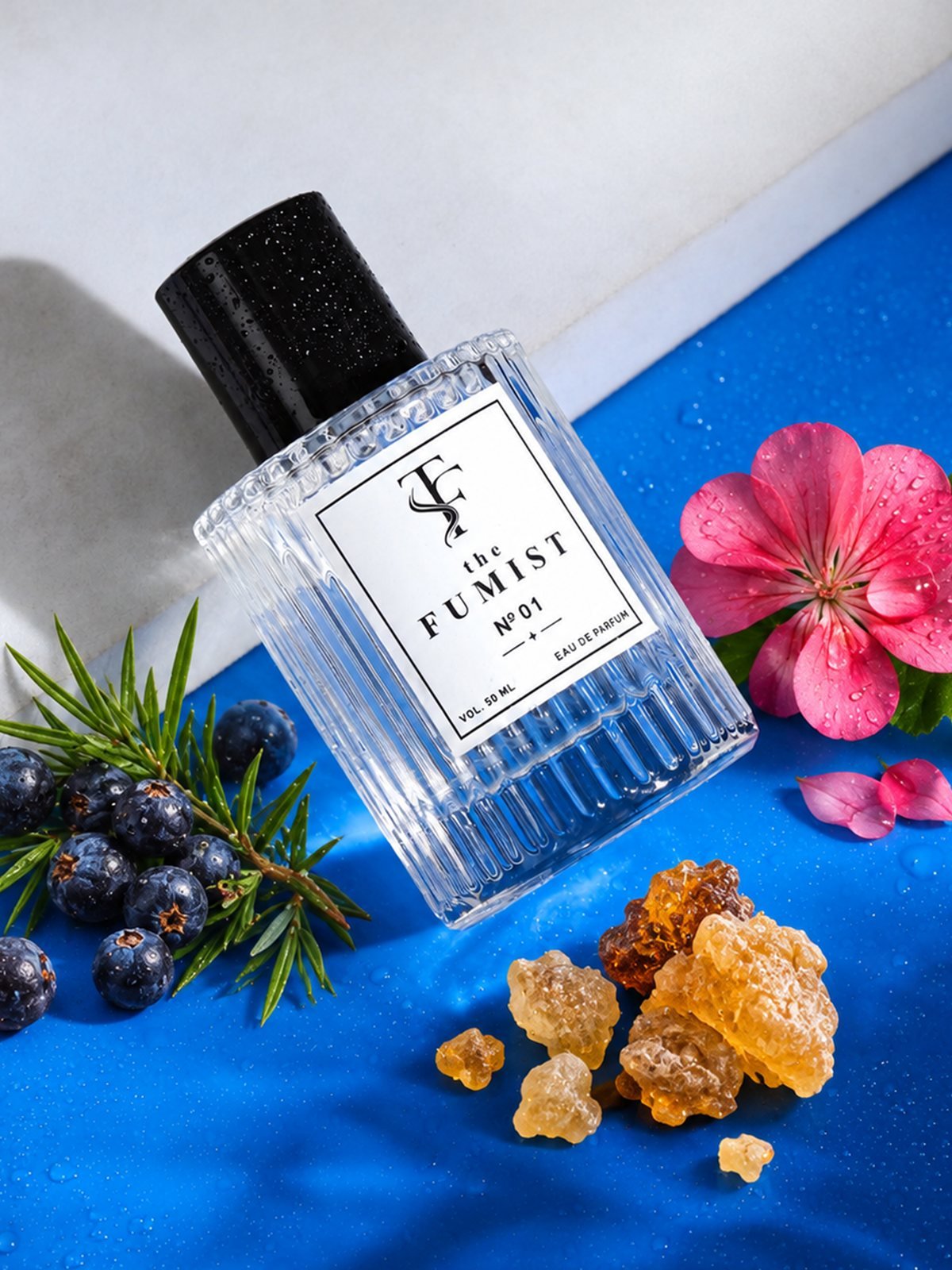
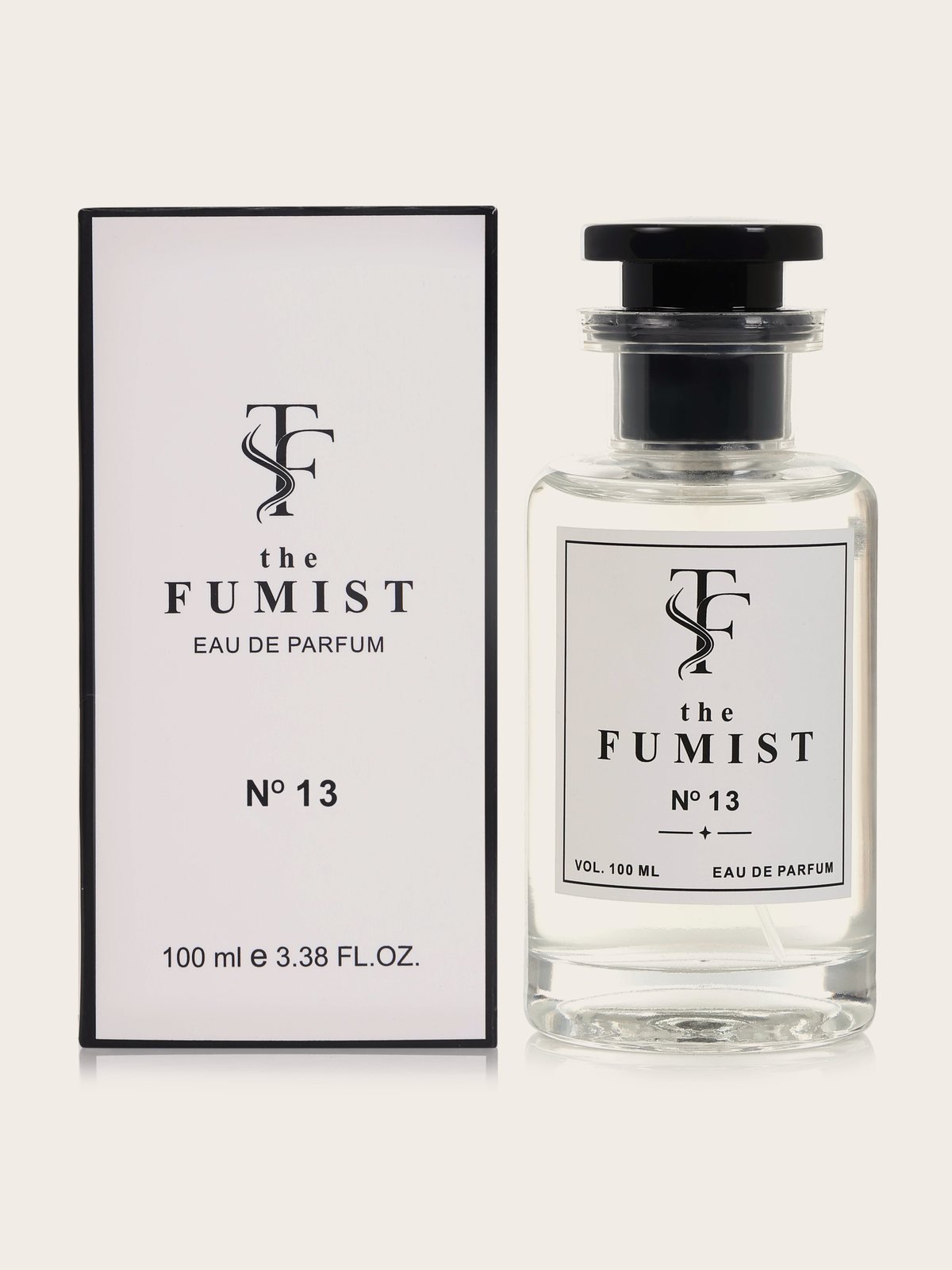
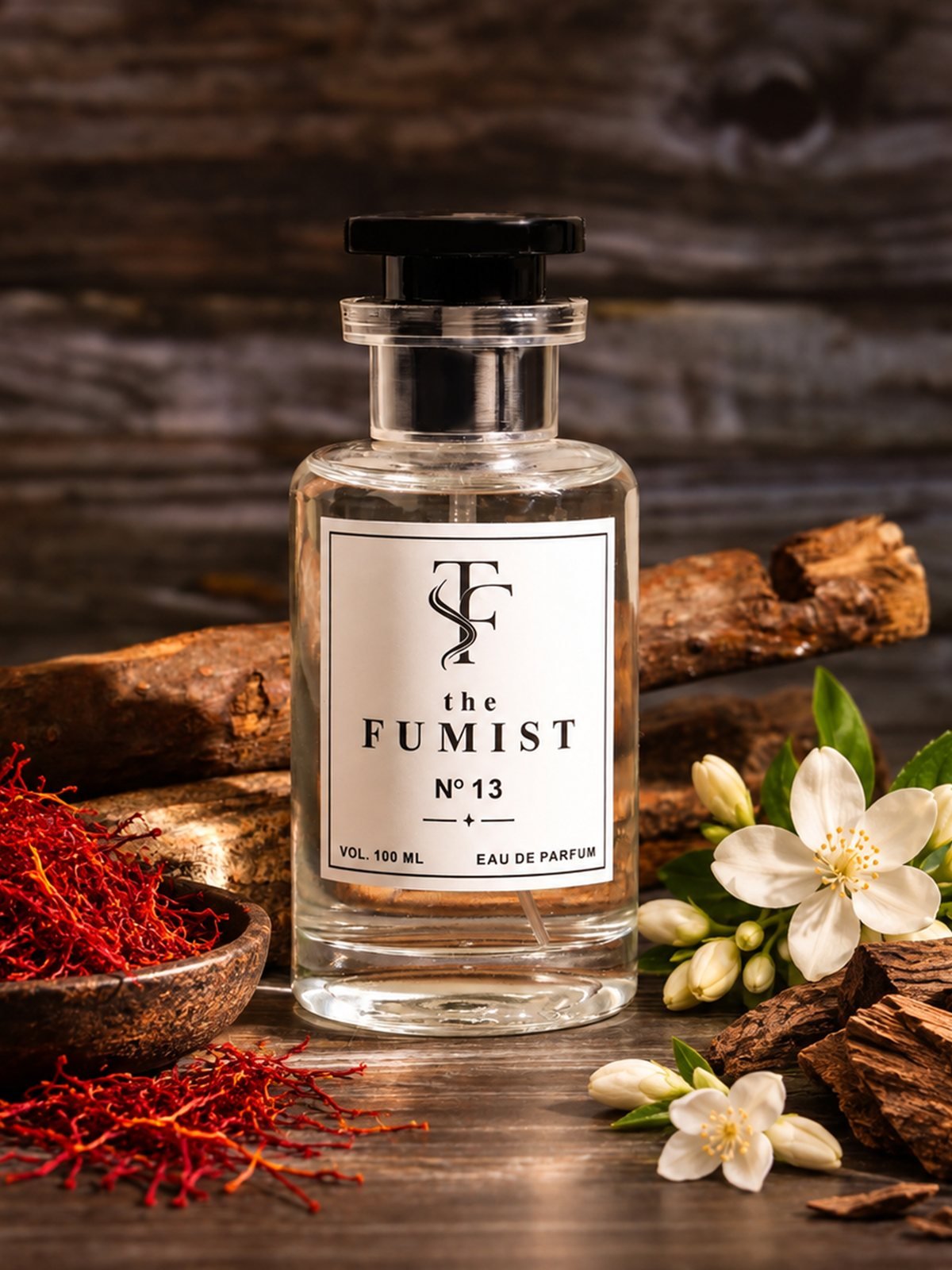
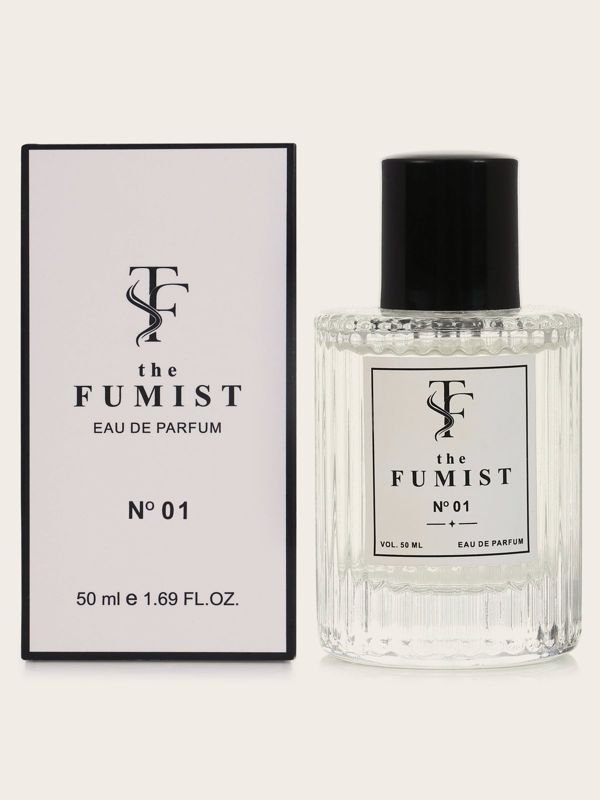
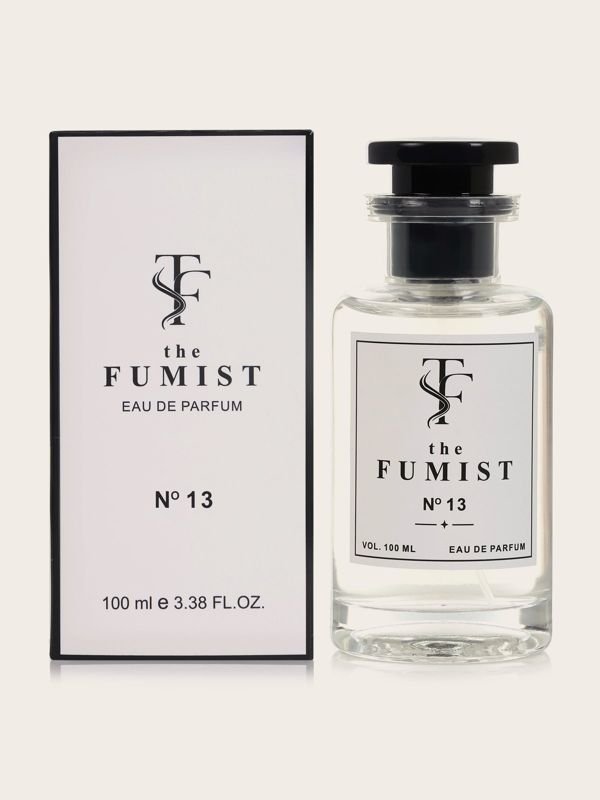
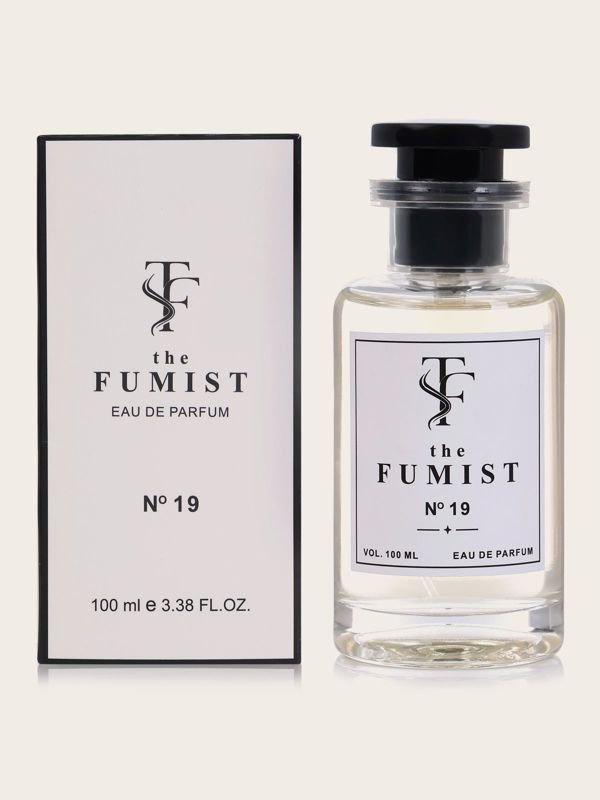
- Choose a scent made for daytime: in our collection, N° 19 (soft floral), N° 01 (fresh and aromatic) or N° 13 (airy amber woody).
How to reset your nose
- Fresh air. A few minutes outside lets your nose recover.
- Smell your own skin — the inside of your elbow — between perfumes when testing several. (Coffee beans at perfume counters are a tradition, but there is little evidence they help.)
- Rotate two scents. Wearing different perfumes on different days keeps both noticeable to you.
Sources
- Dalton & Wysocki (1996), “The nature and duration of adaptation following long-term odor exposure”, Perception & Psychophysics 58: 781–792
- Pellegrino et al., habituation and adaptation to odours in humans — TU Dresden
We make perfume; we are not doctors. If a fragrance ever irritates your skin, stop using it and ask a dermatologist.