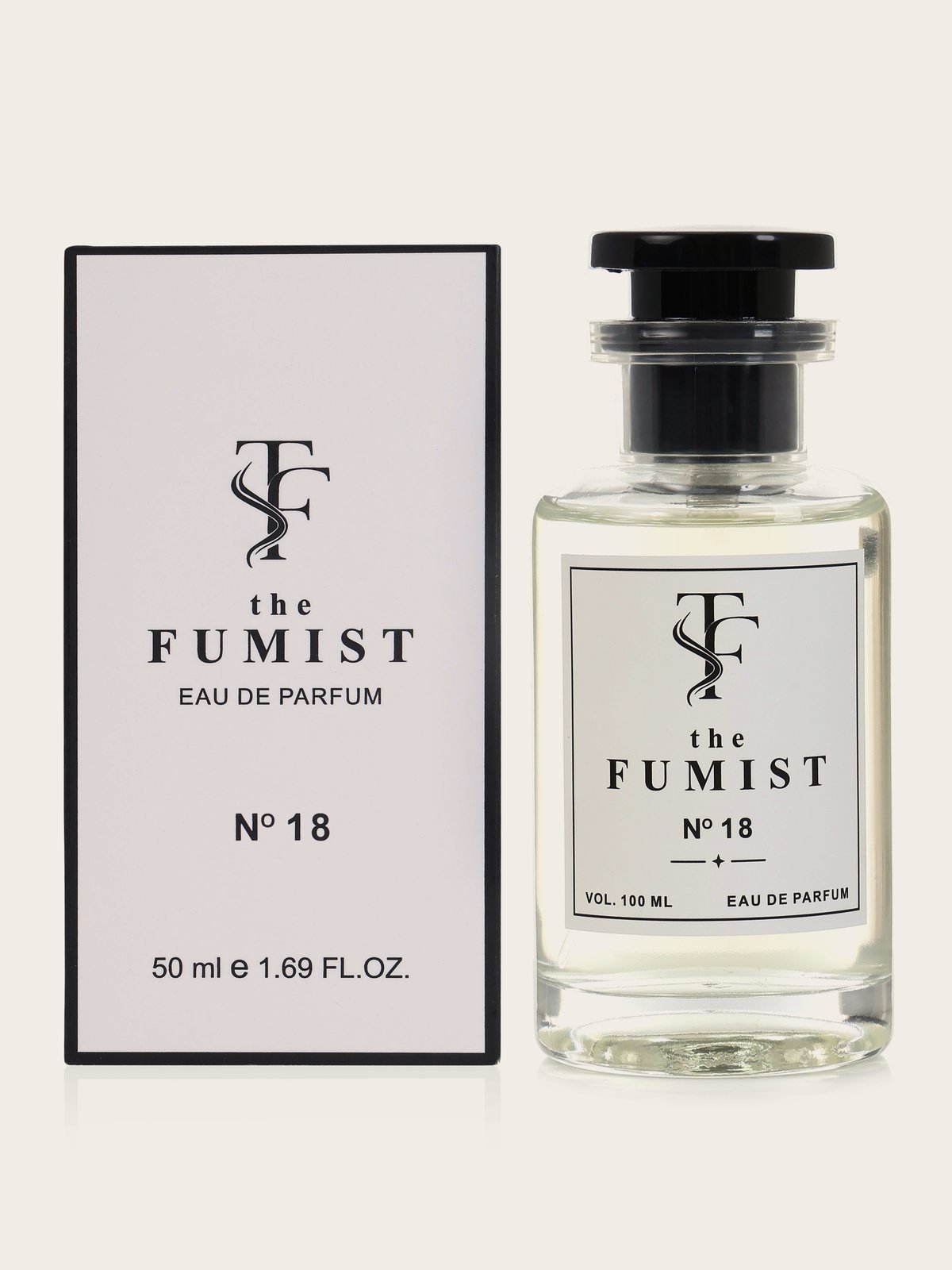
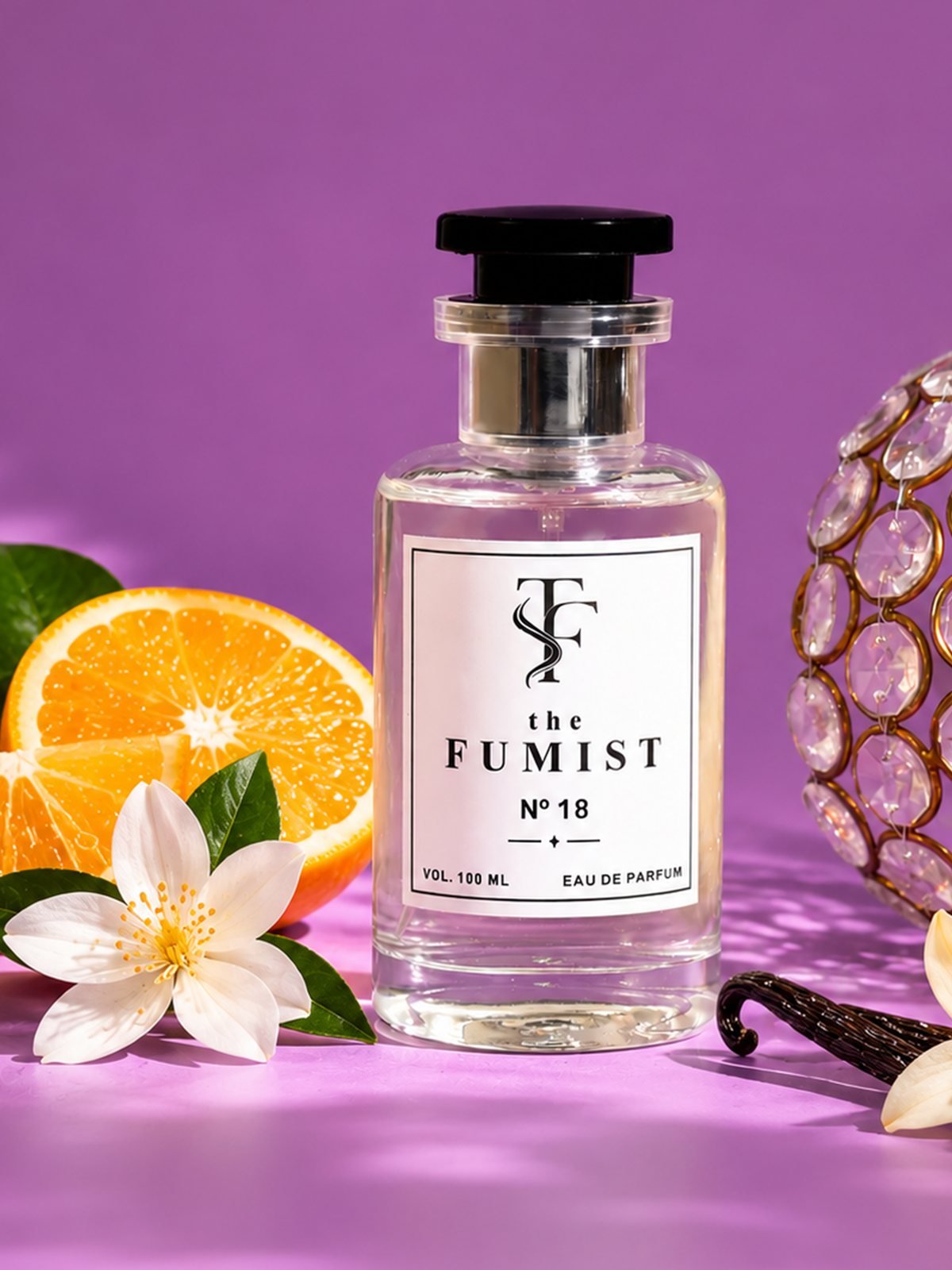
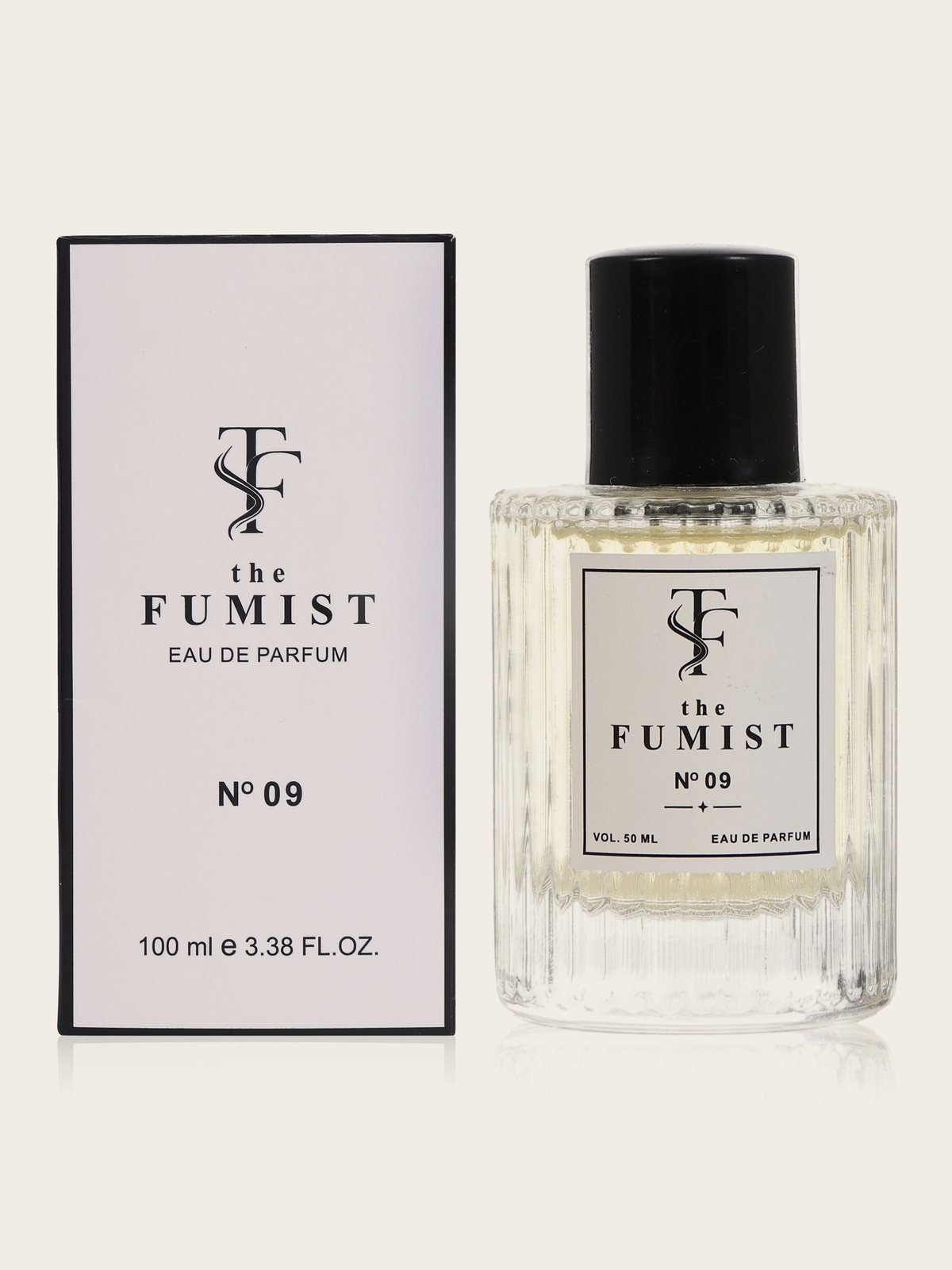
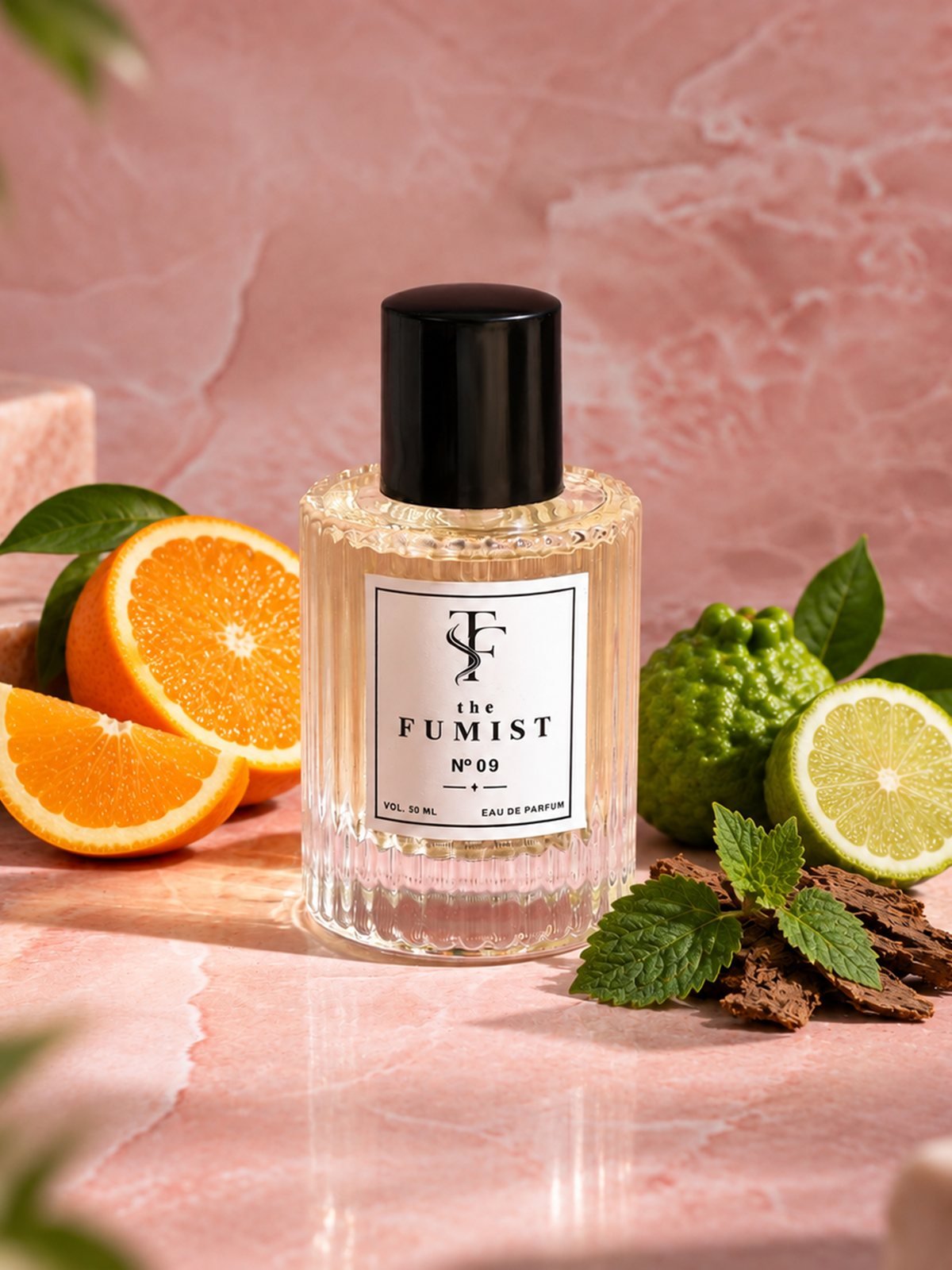
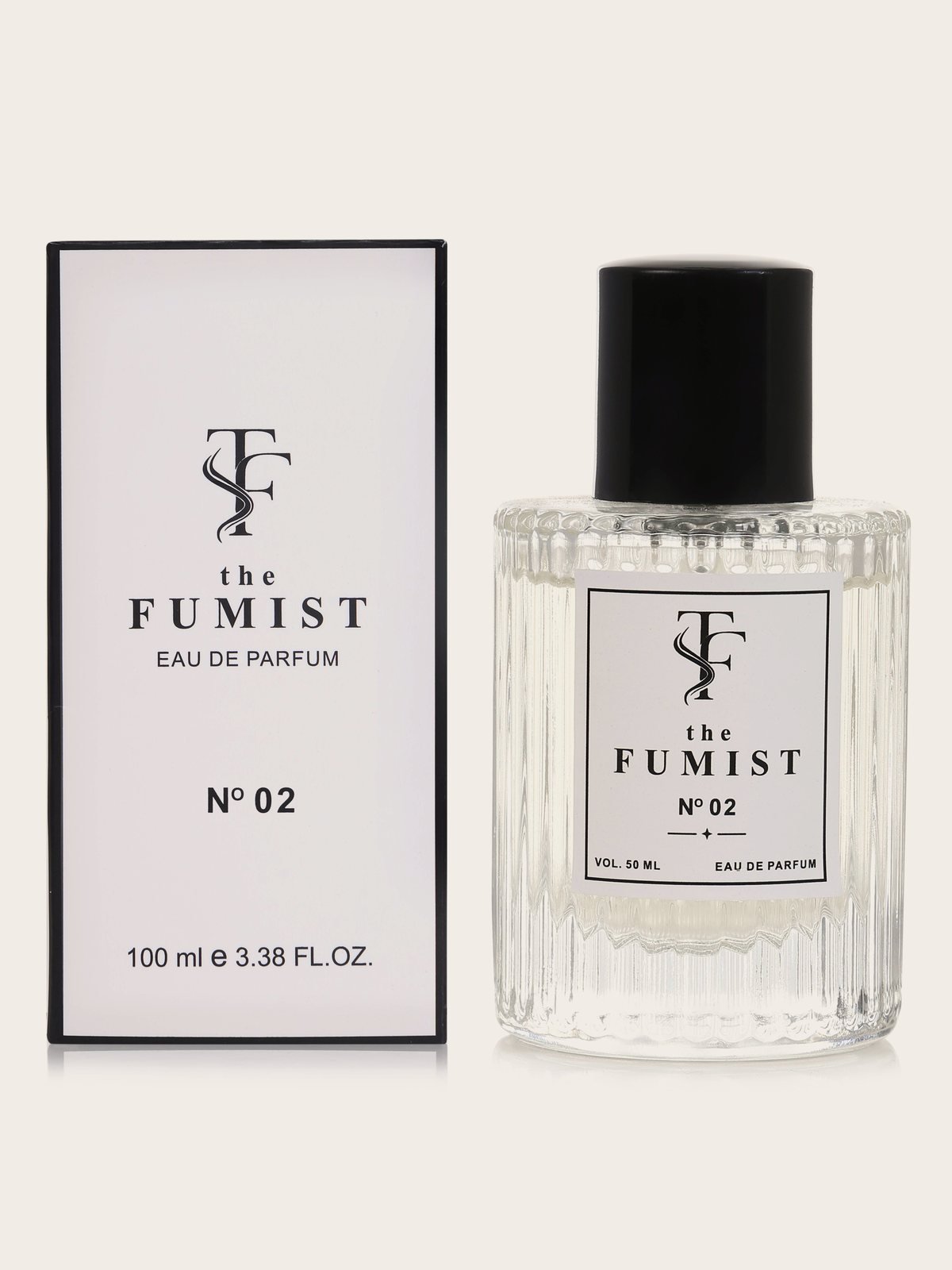
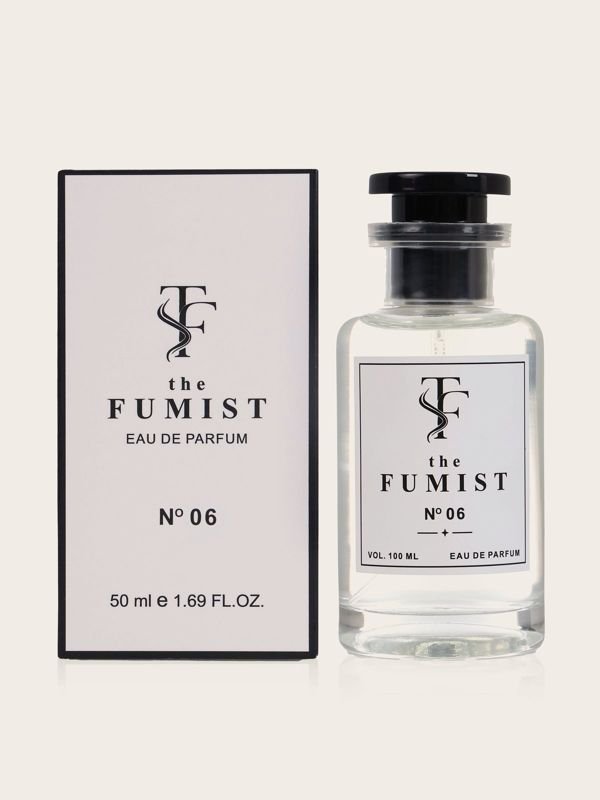
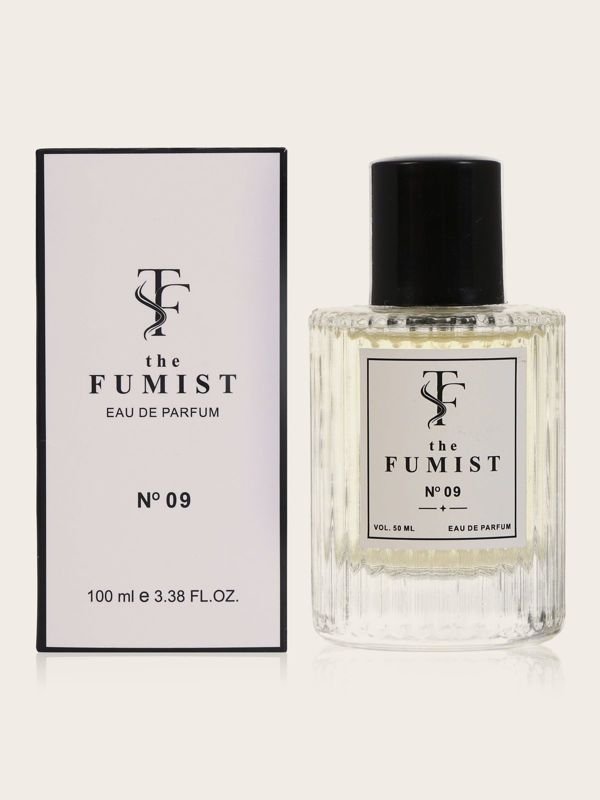
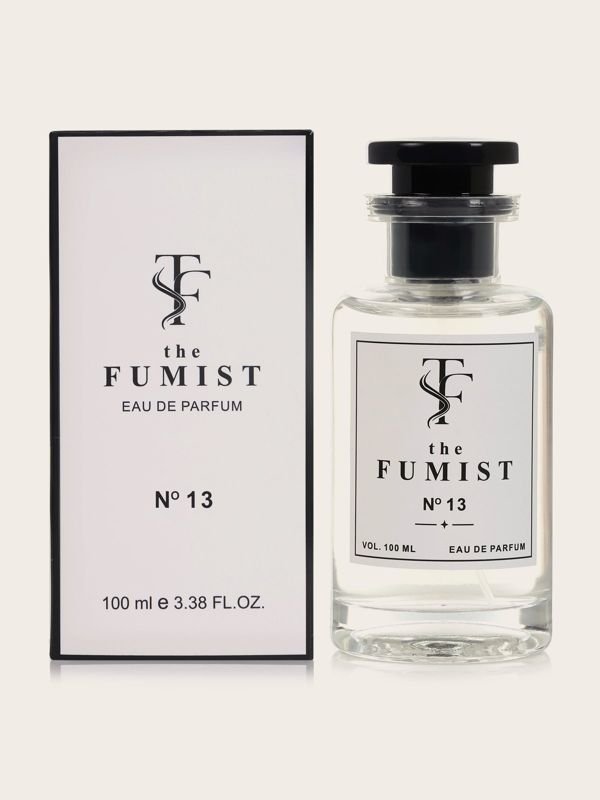
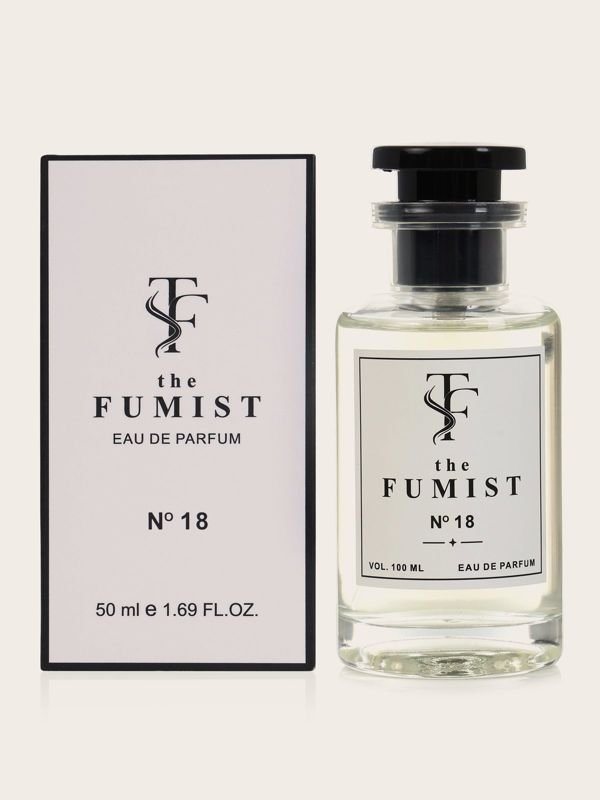
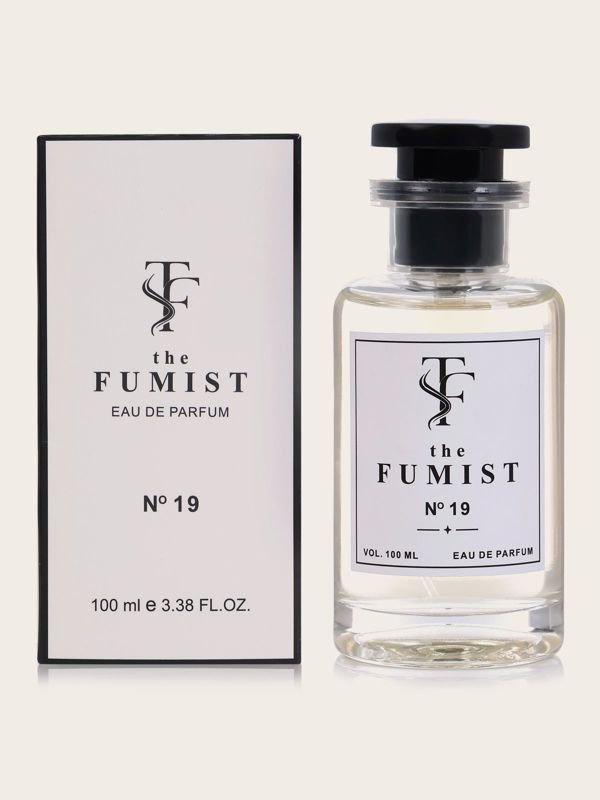
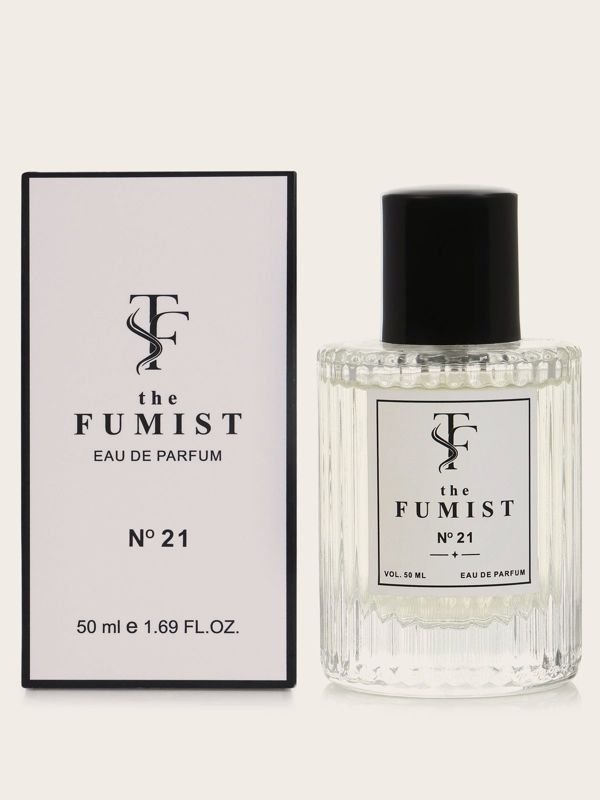
Keep perfume cool, dark and closed: in its box, in a wardrobe or drawer, away from windows, the bathroom, the kitchen and the car. Heat, light and air are what change a perfume over time. A bottle kept that way changes very slowly; one left on a sunny dresser through a Delhi summer can change much sooner.
What changes a perfume
- Heat. As a rough rule of chemistry, many reactions run about twice as fast for every 10 °C warmer. A room at 38 °C in May is far harder on a perfume than the same shelf in December.
- Light. Sunlight, even through a window, warms the bottle and slowly breaks down delicate materials. A clear bottle on display is the most exposed.
- Air. Oxygen slowly reacts with some fragrance materials. Linalool and limonene — found in many floral and citrus notes — are well-studied examples. A cap that is always on, and a bottle that is not half-empty for years, both help.
The best and worst places in an Indian home
| Avoid | Why |
|---|---|
| Bathroom shelf | Steam and heat every day |
| Dresser or windowsill in the sun | Direct light and afternoon heat |
| Near the kitchen | Heat from the stove |
| Car or bike storage | A parked car in summer becomes an oven |
| Handbag left in the sun | Short trips are fine; a day in the heat is not |
Best: the original box, inside a wardrobe or drawer in a room that stays fairly cool. A fridge isn’t needed; a cool, dark cupboard is enough. If you keep a small bottle in your bag for the day, keep the big one at home.
When a parcel arrives in summer
Perfume travels in vans and warehouses, and an Indian summer is hot everywhere. When a parcel arrives warm, open it, take the bottle out of the outer packing and let it rest at room temperature, in its box, for a few hours before the first spray. Then put it somewhere cool for good.
Does perfume expire?
Perfume doesn’t go “off” on a fixed day. It changes slowly, faster in heat, light and air. Use the dates printed on the box as your guide, and your nose as the final judge. A bottle that has been kept well is usually fine to wear well past its first year.
Signs a perfume has turned
- The first spray smells sharp, sour or like vinegar, very different from how it used to open.
- The fresh top notes have gone flat, and only a muddled base is left.
- It smells clearly different from before on the same skin.
Colour alone is not a sign. Perfumes with vanilla in them often deepen in colour over time without smelling any different, because vanillin naturally darkens.
Sources
- Temperature and reaction rates (the “Q10” rule of thumb) — Wikipedia
- Oxidised linalool as a skin sensitiser (Contact Dermatitis, 2017) — PubMed Central
- Climate of Delhi — Wikipedia
We make perfume; we are not doctors. If a fragrance ever irritates your skin, stop using it and ask a dermatologist.